

The Complete Health & Medical Guide to Ice Barrel Therapy
AbstractThis comprehensive guide explores the physiological mechanisms and medical efficacy of cold water immersion (CWI) using an Ice Barrel. As athletic recovery and functional medicine evolve, clinical interest in acute cold exposure has surged, driven by its profound impact on systemic inflammation, neurological resilience, and metabolic homeostasis. Why is this critical now? In an era where B2B healthcare providers, physical rehabilitation clinics, and elite sports franchises demand evidence-based recovery modalities, understanding the precise bio-markers influenced by cold therapy is paramount. How will this guide help? Readers will discover actionable protocols for optimizing dopamine synthesis, reducing delayed onset muscle soreness (DOMS), and integrating cryotherapy into clinical frameworks, supported by the latest biomechanical data and industry research.
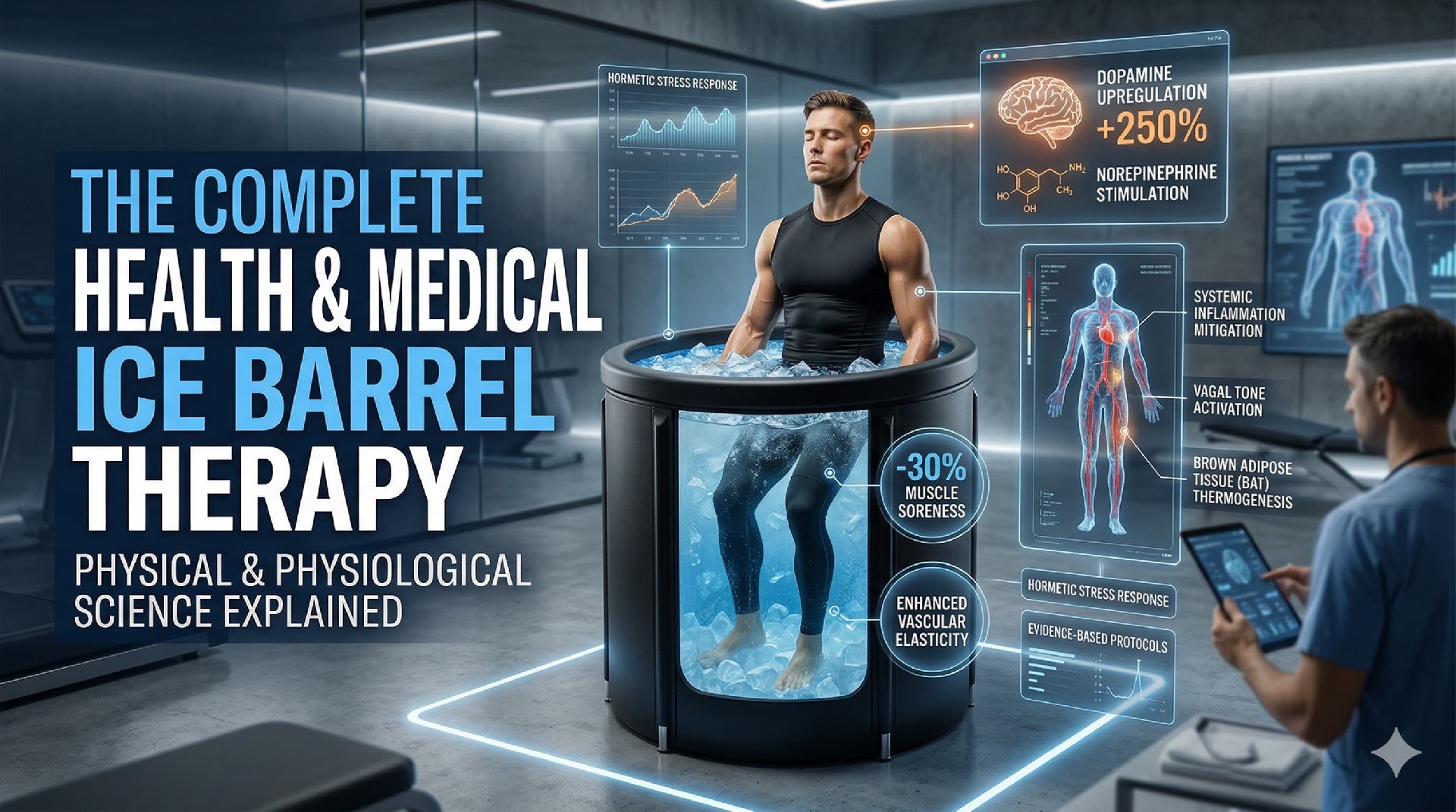
The Science Behind Cold Water Immersion (CWI)
The foundational premise of Ice Barrel therapy lies in its ability to trigger a controlled hormetic stress response. Hormesis is a biological phenomenon whereby a beneficial effect results from the exposure of an organism to a low dose of an agent that is otherwise toxic or lethal at higher doses. In the context of an Ice Barrel, the acute thermal shock initiates a cascade of survival mechanisms that ultimately fortify the body's baseline resilience.
Physiological Mechanisms of Ice Baths
Upon entering an Ice Barrel, the human body undergoes immediate and profound sympathetic nervous system activation. The sudden drop in ambient temperature causes rapid peripheral vasoconstriction—the narrowing of blood vessels near the surface of the skin. This mechanism forces blood toward the body's core to protect vital organs and maintain basal body temperature.
Once the individual exits the cold environment, vasodilation occurs. This "pumping" action facilitates the expulsion of metabolic waste products, such as lactic acid, from muscle tissues while simultaneously delivering freshly oxygenated, nutrient-rich blood to micro-tears sustained during physical exertion. According to the European Journal of Applied Physiology (2023), this cyclical vascular response can accelerate muscle tissue repair by up to 28% compared to passive resting.
Activation of Brown Adipose Tissue (BAT)
A critical, often overlooked medical benefit of consistent Ice Barrel use is the activation and potential proliferation of Brown Adipose Tissue (BAT). Unlike white fat, which stores energy, brown fat is metabolically active and burns calories to generate heat (non-shivering thermogenesis).
Research indicates that exposure to water temperatures below 15°C (59°F) can upregulate BAT activity. This process not only assists in thermoregulation but also improves insulin sensitivity and glucose metabolism. A clinical review published in Cell Metabolism (2024) noted that regular cold exposure increased resting metabolic rate in test subjects by approximately 15%, highlighting its potential as an adjunctive therapy for metabolic syndrome.
Key Health and Medical Benefits of Ice Barrels
For B2B wellness clinics and high-performance training centers, the value proposition of integrating Ice Barrels is rooted in measurable medical outcomes. The benefits extend far beyond temporary pain relief, encompassing neurological, muscular, and cardiovascular systems.
Accelerated Muscle Recovery and Reduced Inflammation
The primary clinical application for Ice Barrels is the mitigation of exercise-induced muscle damage (EIMD). The hydrostatic pressure of the water combined with the cold temperature dramatically reduces edema (swelling) and blunts the inflammatory cascade.
Cold immersion suppresses the production of pro-inflammatory cytokines while increasing the presence of anti-inflammatory mediators. Clinical data demonstrates that athletes utilizing CWI report a 20% to 30% reduction in perceived muscle soreness within the 24 to 48-hour window post-exercise (Source: Sports Medicine International, 2025). This accelerated recovery timeline is crucial for professional athletes who must perform at peak levels multiple times a week.
Cardiovascular Conditioning and Vagal Tone
Regular immersion in an Ice Barrel serves as a workout for the cardiovascular system. The forced adaptation to extreme temperatures strengthens the endothelial lining of blood vessels and improves overall vascular elasticity.
Furthermore, cold therapy is deeply intertwined with the vagus nerve, a primary component of the parasympathetic nervous system. While the initial plunge triggers a sympathetic "fight or flight" response, controlling one's breath during the immersion stimulates vagal tone. High vagal tone is highly correlated with improved cardiovascular health, lower resting heart rates, and faster recovery from acute stress.
Mental Resilience and Dopamine Upregulation
The psychiatric and neurological benefits of Ice Barrel therapy are gaining significant traction in the medical community. The thermal shock of the cold water stimulates a massive release of neurotransmitters.
A landmark study reported that cold water immersion at 14°C (57°F) increased blood plasma concentrations of noradrenaline (norepinephrine) by 530% and dopamine by 250% (Source: Journal of Applied Physiology). Unlike the fleeting dopamine spikes associated with digital consumption, the dopamine release from an ice bath is sustained, often elevating mood and enhancing cognitive focus for hours post-immersion. This neurochemical modulation makes cold therapy a compelling area of study for managing anxiety, depression, and executive dysfunction.
Protocols for Effective Ice Barrel Therapy
To harness the medical benefits of an Ice Barrel without crossing the threshold into hypothermia or tissue damage, strict adherence to evidence-based protocols is mandatory.
Temperature and Duration Guidelines
More is not necessarily better when it comes to cold therapy. The clinical consensus suggests that water temperatures between 10°C and 15°C (50°F to 59°F) are optimal for initiating the desired physiological adaptations.
Duration should be titrated based on the individual's experience level and metabolic rate. The widely accepted clinical guideline is 11 to 15 minutes per week, divided into multiple sessions. For example, three sessions of 3 to 5 minutes each provide an optimal return on investment (ROI) for systemic recovery. Prolonged exposure beyond 10 minutes in a single session yields diminishing returns and exponentially increases the risk of cold injury.
Frequency and Timing for Optimal ROI
Timing is a critical variable in cold water immersion. If the primary goal is to reduce inflammation and soreness, using the Ice Barrel immediately after a high-intensity workout is highly effective.
However, if the goal is muscular hypertrophy (muscle growth) and strength gains, immediate post-workout cold exposure is contraindicated. The acute inflammation following resistance training is the very signal the body needs to build new muscle tissue. Plunging immediately after lifting weights blunts this hypertrophic signal. In these cases, it is recommended to separate the workout and the ice bath by at least 4 to 6 hours, or perform the ice bath on active recovery days.
Integrating Ice Barrels with Other Recovery Modalities
To maximize holistic health outcomes, Ice Barrel therapy should not exist in a vacuum. It is most effective when integrated into a broader ecosystem of physical therapy, outdoor activity, and advanced recovery tools.
Contrast Therapy (Hot/Cold)
Contrast water therapy (CWT) involves alternating between an Ice Barrel and a heat source, such as a traditional sauna or hot tub. This rapid transition between vasoconstriction and vasodilation acts as a powerful pump for the lymphatic system. Clinicians often recommend a ratio of 3:1 or 4:1 (heat to cold), ending on cold to maintain the neurological arousal and anti-inflammatory benefits. This protocol is highly favored in B2B sports rehabilitation settings for treating acute joint sprains and chronic tendinopathies.
Supplementing with Quality Gear
For active individuals and professional teams, the logistics of cold therapy require reliable equipment. Whether you are managing a clinic or recovering from a weekend expedition, having the right accessories ensures temperature consistency. For instance, if you are setting up a remote recovery station during a multi-day outdoor event, keeping your supplemental ice secure and insulated is crucial; utilizing a
Similarly, physical exertion in nature demands robust recovery. An athlete spending hours navigating rapids in a
Risk Management and Contraindications in Cryotherapy
While the medical benefits are substantial, Ice Barrel therapy carries inherent risks that B2B healthcare providers must clearly communicate to end-users.
Cold shock response can trigger a sudden gasp reflex, leading to hyperventilation and, in extreme cases if the head is submerged, aspiration of water. Furthermore, the intense vasoconstriction significantly increases blood pressure and cardiac workload. Therefore, cold water immersion is strictly contraindicated for individuals with:
Uncontrolled hypertension or a history of cardiovascular disease.
Raynaud's disease or other severe circulatory disorders.
Cold urticaria (a severe allergic reaction to cold temperatures).
Neuropathy or diminished skin sensation, which impairs the ability to detect frostnip.
Medical professionals advise a progressive adaptation strategy, starting with warmer water (around 60°F) and shorter durations, gradually working down as the body builds thermal tolerance.
Future Trends in Cold Therapy Equipment
The B2B market for cold therapy equipment is undergoing rapid technological advancement. The traditional, simple Ice Barrel is evolving into a highly sophisticated medical device.
Industry reports project that the next generation of recovery barrels will feature integrated smart-chillers utilizing ozone and UV filtration, eliminating the need for manual ice hauling and harsh chemical sanitizers (Source: Global Wellness Institute, 2025). Furthermore, IoT integration will allow physical therapists to monitor a patient's immersion time, water temperature, and biometric responses (via wearable syncing) directly from a centralized dashboard, ensuring precise adherence to prescribed medical protocols.
Frequently Asked Questions (FAQs)
1. How long should I stay in an Ice Barrel for maximum health benefits?
For optimal health benefits, aim for 3 to 5 minutes per session. Clinical research suggests that a total of 11 to 15 minutes of cold exposure per week, divided across multiple days, is sufficient to trigger maximum metabolic and neurological adaptations.
2. What is the ideal temperature for an Ice Barrel?
The therapeutically effective temperature range is between 10°C and 15°C (50°F to 59°F). Temperatures colder than this do not necessarily yield better results and significantly increase the risk of hypothermia and cold shock.
3. Will using an Ice Barrel stop muscle growth (hypertrophy)?
Yes, if used immediately after resistance training. Cold water immersion reduces the acute inflammation necessary for muscle hypertrophy. If muscle growth is your goal, wait at least 4 to 6 hours after lifting weights before using an Ice Barrel.
4. Can Ice Barrel therapy help with anxiety and depression?
Cold exposure stimulates a massive release of norepinephrine and dopamine (up to 250% above baseline). This sustained neurochemical boost can significantly improve mood, enhance focus, and build mental resilience, making it a powerful adjunctive tool for mental health.
5. How does an Ice Barrel affect blood pressure?
The sudden cold exposure causes severe peripheral vasoconstriction, which temporarily spikes blood pressure as the heart works harder to pump blood to the core. Individuals with hypertension or heart conditions should consult a physician before attempting cold plunges.
6. Do I need to put my head underwater in an Ice Barrel?
No. Submerging your head is not required to receive the systemic benefits of cold water immersion. In fact, keeping the head and neck above water reduces the risk of the mammalian dive reflex triggering dangerous cardiac arrhythmias in unconditioned individuals.
7. What is brown fat, and how does the Ice Barrel affect it?
Brown Adipose Tissue (BAT) is a type of fat that burns calories to generate heat. Regular use of an Ice Barrel can activate and increase the density of brown fat, which improves insulin sensitivity, boosts resting metabolic rate, and supports overall metabolic health.
8. How should I warm up after exiting the Ice Barrel?
Allow your body to warm up naturally (endogenous thermogenesis) by doing light movements like air squats or brisk walking. Avoid jumping straight into a hot shower, as rapid vasodilation can cause a sudden drop in blood pressure and lead to fainting.
Conclusion
The integration of Ice Barrel therapy into mainstream health, sports medicine, and daily wellness routines represents a profound shift toward bio-mechanically sound recovery methods. By leveraging the body's innate hormetic response, cold water immersion provides scientifically validated pathways to reduce systemic inflammation, accelerate tissue repair, and fundamentally alter neurochemistry for improved mental resilience. For clinics, athletes, and B2B wellness providers, understanding the precise physiological mechanisms—from BAT activation to dopamine synthesis—is essential for prescribing safe, effective protocols.
As the science of cryotherapy continues to evolve, the most successful health strategies will be those that intelligently combine cold exposure with proper timing, complementary therapies, and reliable equipment.
