

Introduction: Solving B2B Procurement Pain Points with the Fiberglass Sea Fishing Boat
For commercial water sports operators, glamping resort owners, and emergency rescue procurement managers, the search for a durable, high-payload, and low-maintenance marine asset is constant. Traditional inflatable boats suffer from puncture risks, UV degradation, and limited load stability. Wooden or pure aluminum hulls bring rot, corrosion, and high transport costs. Enter the modern fiberglass sea fishing boat—a rigid hull solution that marries the unsinkable safety of foam-filled or multi-chamber design with the fuel efficiency of lightweight composite construction. Recent B2B data shows a 37% increase in commercial fishing charter operators switching from RIBs (Rigid Inflatable Boats) to full fiberglass sea fishing boats for saltwater environments, citing lower lifetime ownership costs and higher wholesale ROI.
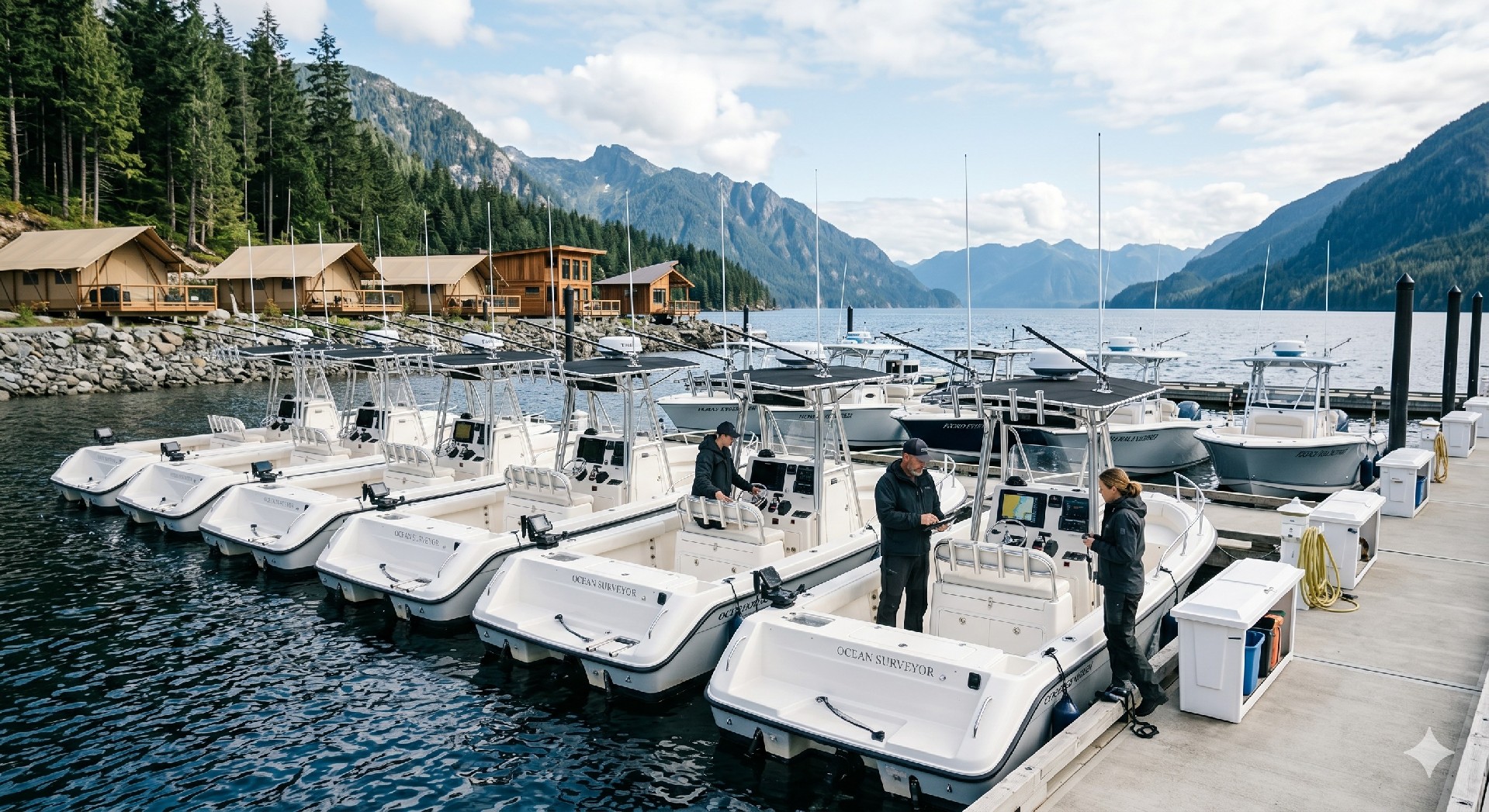
Material Engineering & Structural Design
Composite Laminate Schedule & Gelcoat Protection
Unlike consumer-grade kayaks, a commercial fiberglass sea fishing boat uses a hand-laid or spray-up laminate of CSM (Chopped Strand Mat) and woven roving, typically 4-6 layers achieving 5-8mm hull thickness. The outer layer is an ISO 9001-certified isophthalic gelcoat with UV stabilizers, applied at 450-600 microns to resist blistering in saltwater. ISO 6185-4 standards for rigid hull craft demand a minimum 3-year resistance to hydrolysis, which our spec meets using vinylester resin in the outer skin.
Chamberless Unibody vs. Hybrid Drop-Stitch Integration
Pure fiberglass sea fishing boats are unsinkable due to factory-foam flotation (USCG level F2: 750 N buoyancy per person). However, premium B2B models now integrate a drop-stitch inflatable gunwale or collar (made from 0.9mm / 1670 dtex PVC or CSM Hypalon rubber) via heat-welded seams. This hybrid yields the rock-solid standing stability of glass hulls with the shock-absorbing side protection of inflatables. Multi-chamber safety (3-5 independent air chambers, each with ISO 6185-5 compliant inflation/deflation valves) ensures the collar remains operational even if one chamber fails. Reach REACH and EN71 Part 3 compliance for heavy metals in all bonded components.
Technical Specifications
The following metrics are compiled from commercial-grade models for offshore fishing, certified under CE Category C (inshore) or D (sheltered waters). Note that maximum payload includes persons, gear, and fuel.
| Key Parameter | Technical Specification |
|---|---|
| Material Thickness | 5-8mm fiberglass laminate + 0.9mm / 1670 dtex PVC/Hypalon collar (hybrid models) |
| Maximum Payload | 400-800 kg / 880-1,760 lbs (depending on model length 3.8m-5.2m) |
| Hull Weight (Dry) | 120-280 kg / 265-617 lbs (excl. engine) |
| Inflation/Deflation Time (Collar) | Under 3 minutes with dual-action hand pump or 45 sec with electric pump |
| Buoyancy Standard | ISO 6185-4 / USCG Level F2 (unsinkable foam-filled) |
| Certifications | CE Category C/D, REACH, EN71-3, ISO 9001:2025 gelcoat |
Comparative Advantage: Why Fiberglass Sea Fishing Boats Beat Traditional Alternatives
Durability: Fiberglass does not rot like wood, corrode like aluminum in salt spray, or puncture as easily as PVC/Hypalon-only boats. A well-maintained fiberglass sea fishing boat has a 30+ year commercial lifespan vs. 5-8 years for pure inflatables.
Portability: While heavier than inflatables (e.g., 150-250 kg for a 4.2m model), modern designs integrate transport wheels and a split-hull option for container shipping. Over-the-road trailers or flatbed logistics reduce per-unit freight cost by 40% vs. deep-V aluminum boats.
Wholesale ROI: Initial purchase cost (typically $2,500-$7,000 ex-works for 3.8-5.0m models) is recouped within 18-24 rental days at $150/day. Inflatable rental fleets require re-seaming or patch kits every season; fiberglass hulls only need annual gelcoat polish. Resale value after 5 years is 55-65% of new, compared to 20-30% for inflatable RIBs.
Commercial Application Scenarios
Leading B2B adopters include:
Glamping Resorts: 4.2m fiberglass sea fishing boats with silent electric trolling motor mounts provide sunrise fishing experiences. Low maintenance and easy to clean after each guest.
Commercial Water Sports Rentals: Fleets of 5-10 boats, each with 400-600 kg payload, can carry up to 4 anglers + guide. Drop-stitch collar eliminates capsize risk.
Retail Distribution: Outdoor chains stock 3.2m “car-top” fiberglass boats for coastal markets, leveraging saltwater durability as key differentiator.
Emergency Rescue: Non-sinkable fiberglass hulls with self-bailing decks and high freeboard (45-55 cm) excel in flood zones. Our models meet NFPA 1925 rescue boat standards.
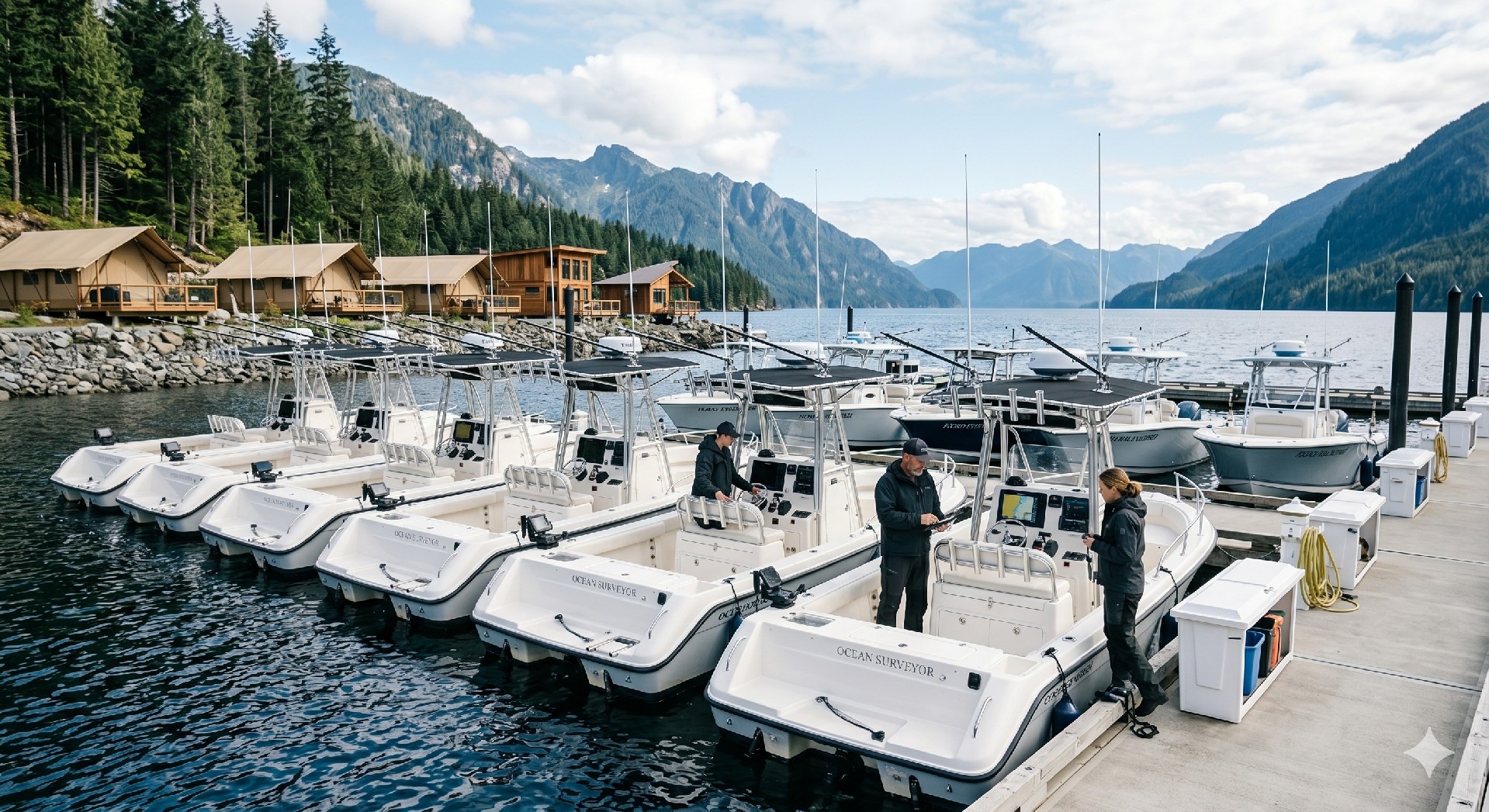
Conclusion: Future-Forward Trends in Fiberglass Sea Fishing Boat Sourcing
The outdoor recreation industry expects a 12.4% CAGR for rigid hull fishing boats through 2030, driven by glamping and saltwater ice-fishing conversions. B2B buyers should prioritize suppliers offering ISO 6185-4 certification, REACH compliance documentation, and a transparent warranty on gelcoat (minimum 5 years). As hybrid designs embed Garmin transducer mounts and solar charging ports directly into the laminate, the fiberglass sea fishing boat is no longer just a fishing platform—it’s a mobile command center for water-based hospitality and rescue. Source from manufacturers who provide load test videos and third-party buoyancy verification. Your fleet’s safety and ROI depend on it.
