

Introduction: The B2B Imperative for Premium Ground Sleeping Solutions
For professional buyers, procurement managers, and outdoor brand directors, the challenge of sourcing sleeping equipment that guarantees comfort on hard ground is a persistent pain point. Traditional foam pads and low-pressure air mattresses often fail to meet the rigorous demands of the commercial rental market, leading to high return rates, negative guest experiences, and increased Total Cost of Ownership (TCO). The market is shifting decisively towards advanced drop-stitch sleeping pads, which offer a unique combination of rigidity, comfort, and durability. This guide provides a comprehensive technical deep dive into the specifications, materials, and commercial ROI of these next-generation sleep systems, designed for businesses that cannot compromise on quality.
This analysis is specifically tailored for B2B stakeholders evaluating wholesale inflatable equipment. We will move beyond consumer-grade reviews and focus on the engineering, supply chain, and profitability metrics that define a successful commercial deployment. By understanding the core technologies, material science, and certification requirements, buyers can make data-driven decisions that maximize guest satisfaction and long-term fleet value.
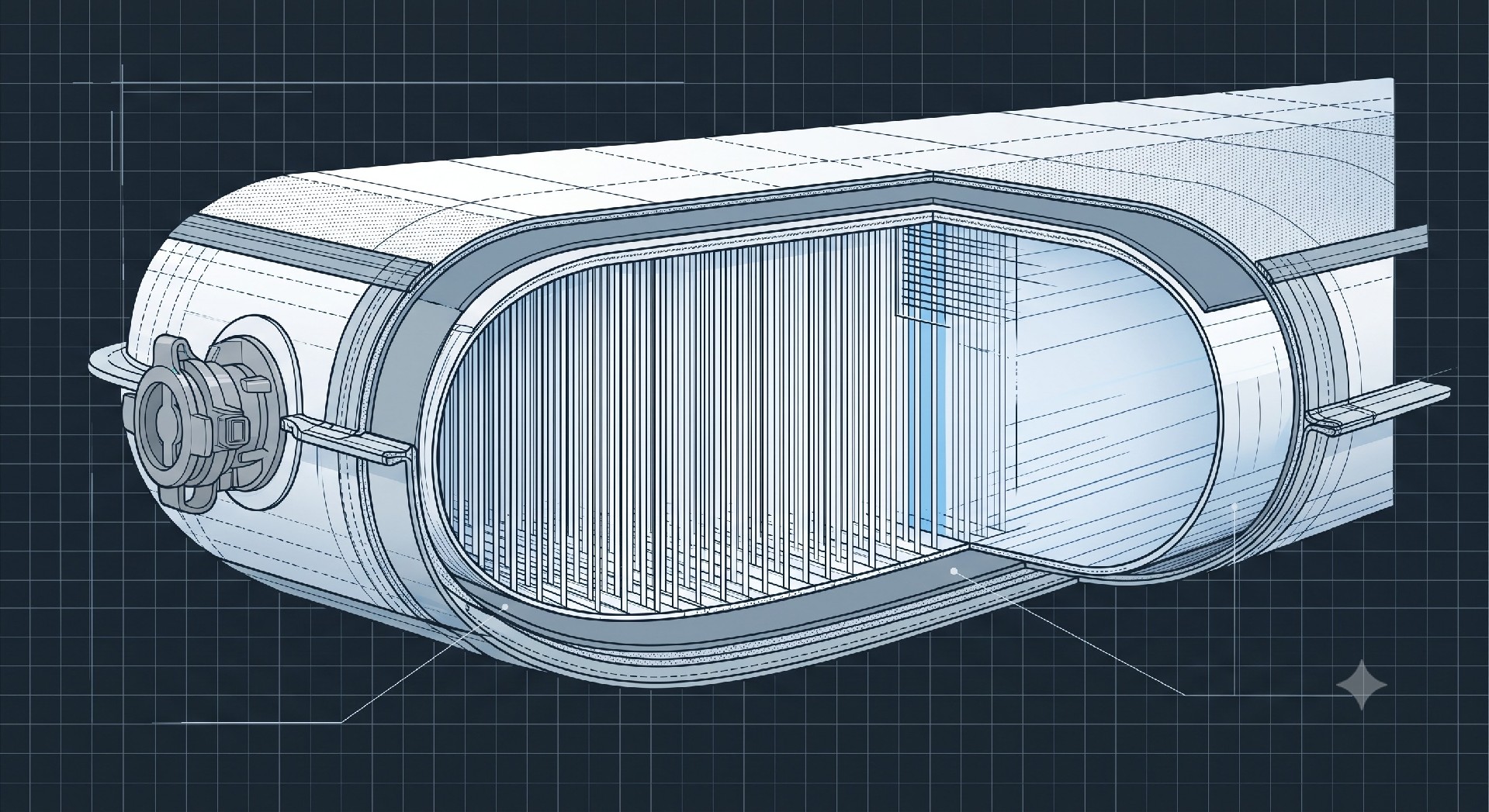
Material Deep Dive: Drop-Stitch Cores, Fabric Denier, and Air Retention
The fundamental advantage of a high-quality drop-stitch sleeping pad lies in its internal construction. Unlike traditional air mattresses that rely on low-pressure, monolithic air chambers prone to “bottoming out,” drop-stitch technology uses thousands of high-strength polyester threads woven between the top and bottom layers of fabric. This internal baffle system, or drop-stitch core, creates a stable, flat, and incredibly supportive surface that mimics a traditional bed.
For B2B sourcing, the critical specifications to evaluate are the core’s thread density and tensile strength. Premium commercial-grade pads feature a dense network of fibers, often exceeding 25,000 independent woven straps per unit . This high-density core allows the pad to maintain its shape under extreme loads, with some units supporting payloads of up to 882 lbs (400 kg) without deformation, a figure validated by third-party testing . This maximum payload capacity is a key metric for rental operators, as it guarantees structural integrity for a wide range of users and eliminates complaints of a collapsed sleeping surface.
Equally important is the external fabric, which dictates durability and lifespan. The two dominant materials in the B2B market are PVC (Polyvinyl Chloride) and TPU (Thermoplastic Polyurethane) coated fabrics, often layered over a high-denier polyester or nylon base. A robust commercial pad will typically use a reinforced fabric with a denier rating of 1000D or higher for the bottom layer to resist abrasion from rough tent floors and hard ground . While PVC offers excellent air retention at a lower cost, premium TPU-coated fabrics provide superior cold-weather flexibility, are more environmentally friendly, and meet stricter REACH compliance standards due to the absence of phthalates . For high-end glamping resorts or rental fleets in extreme climates, the enhanced durability and non-toxic profile of TPU make it the preferred choice.
Engineering Specifications and Quality Standards
Beyond the raw materials, the manufacturing process, specifically seam construction, is the primary determinant of a pad’s lifespan. The most reliable commercial pads utilize High-Frequency (HF) welding, also known as radio-frequency welding . This process uses electromagnetic energy to fuse the fabric layers and their coatings at a molecular level, creating a bond that is often stronger than the surrounding material. In contrast, cheaper alternatives use glued seams, which are susceptible to delamination and failure under prolonged use or in high-temperature environments. B2B buyers should explicitly inquire about a manufacturer’s welding capabilities and request peel strength test results; industry best practices demand a minimum seal strength of 80N/25mm to ensure long-term performance .
Valve technology is another often-overlooked but critical component for commercial efficiency. High-quality pads feature robust, low-profile valves designed to resist damage from impact or accidental knocks. The use of a dual-valve system, which separates the inflation and deflation functions, streamlines inflation/deflation time, a vital factor in high-turnover rental environments . A self-locking valve mechanism is also essential to prevent air loss, ensuring the pad remains at the user-set firmness throughout the night.
| Key Technical Parameter | Specification for Commercial Drop-Stitch Pads | Industry Standard / Context |
|---|---|---|
| Construction Core | High-Density Drop-Stitch (20,000+ woven threads) | Provides superior support and eliminates 'bottoming out' |
| Fabric Material & Thickness | 1000D Reinforced PVC or TPU-coated Nylon/Polyester | Higher denier = greater abrasion resistance and lifespan |
| Maximum Payload Capacity | 400 kg - 882 lbs (for a full-size pad) | Critical metric for commercial durability; validates structural integrity |
| Seam Engineering | High-Frequency (RF) Welded | Stronger than the base material; creates a molecular bond |
| Air Retention (Leak Rate) | ≤5% pressure loss over 8 hours | Industry benchmark for high-quality airtightness |
| Operating PSI | Up to 7 PSI | Allows for precise, adjustable firmness for user comfort |
| Thermal Insulation (R-Value) | Up to 8.1+ (for extreme conditions) | Essential for preventing ground heat loss; 3-season vs. 4-season applications |
| Certifications | CE, EN71, REACH, ISO 6185, OEKO-TEX | Mandatory for regulatory compliance and safety in major markets |
Commercial Use Cases: From Glamping to Emergency Response
The superior comfort and durability of commercial-grade drop-stitch pads are driving their adoption across a diverse range of professional applications. In the glamping and resort sector, these pads are the foundation of a premium guest experience. Their ability to provide “real bed feel” in a canvas tent, with adjustable firmness and superior insulation (R-values can exceed 8.1 for extreme cold-weather protection), directly translates to higher guest satisfaction scores and repeat bookings . For operators, the high-pressure support eliminates the 'sinking' feeling associated with cheap airbeds, ensuring guests wake up rested and ready for their adventure.
In the adventure tourism and rental fleet market, the focus shifts to durability and ROI. A drop-stitch pad’s resistance to punctures and its ability to support high payloads reduce the frequency of costly on-site replacements. The primary consideration here is the Total Cost of Ownership (TCO). While the initial capital expenditure (CapEx) for a high-quality pad is higher than for a basic foam mat, its lifespan is significantly longer. When factoring in reduced warranty claims, lower replacement rates, and increased client satisfaction, the long-term operational expenditure (OpEx) is substantially lower, making it a more profitable investment for outfitters and expedition guides .
Emergency and Disaster Relief
Drop-stitch technology is also finding critical applications in emergency management and humanitarian aid. Rapid-deployment, high-capacity inflatable beds provide immediate, comfortable sleeping surfaces for displaced populations in disaster zones, offering a significant upgrade over traditional cots or mats. Their portability and efficient storage mean aid organizations can preposition large quantities of high-quality bedding, ready for swift deployment.
[IMAGE_2]
Conclusion: The Sourcing Strategy for Long-Term Success
For B2B buyers, moving away from legacy foam and low-pressure air products towards drop-stitch sleeping pads represents a strategic upgrade that directly enhances brand reputation and operational profitability. The key to a successful investment lies in understanding the technical specifications: a high-density drop-stitch core for support, a robust PVC or TPU coating on a durable fabric base for longevity, and HF-welded seams for structural integrity.
When sourcing, prioritize suppliers who offer verifiable data on payload capacity, material thickness, and air retention testing. Compliance with international standards such as CE, EN71, and REACH is non-negotiable for ensuring product safety and legal compliance in major markets . By aligning your procurement strategy with these engineering and quality benchmarks, you ensure that your business is equipped with a sleep system that delivers consistent, high-end comfort and durability, ultimately maximizing ROI and solidifying your reputation in the competitive outdoor industry.
