

Introduction: The Commercial Case for Premium Toddler Pool Games
For B2B buyers, procurement managers, and resort operators, the toddler water play segment represents a high-growth opportunity with unique challenges. Unlike standard pool toys, equipment for toddlers demands rigorous safety compliance, exceptional durability, and intelligent design that supports early childhood development. The global market for children's water toys is dominated by manufacturers in Guangdong, Zhejiang, and Anhui provinces, which account for over 80% of production . However, not all suppliers meet the commercial-grade standards required for rental fleets, resorts, or retail distribution. This guide provides a data-driven analysis of materials, manufacturing standards, and ROI considerations essential for sourcing professional-grade inflatable pool games for toddlers.
Material Deep Dive: PVC Denier, Coatings, and Safety Compliance
The foundation of a durable toddler pool game lies in its material composition. Commercial-grade units typically utilize 0.9mm to 1.2mm reinforced PVC with a denier count ranging from 1000D to 1100D . For B2B applications, standard 15-18oz PVC coated tarpaulin is the benchmark, offering superior puncture and abrasion resistance compared to residential-grade materials. Critically, material selection must comply with strict safety standards: EN71 (European toy safety), ASTM F963 (U.S. consumer safety), and REACH regulations for chemical substances are non-negotiable . Buyers should demand third-party test reports from accredited labs like SGS or TÜV confirming non-toxicity and phthalate-free composition. Bouncia, a leading manufacturer, utilizes customized Anti-UV & heat resistance material, extending the lifespan of floating water parks by 30-50% in high-sun environments .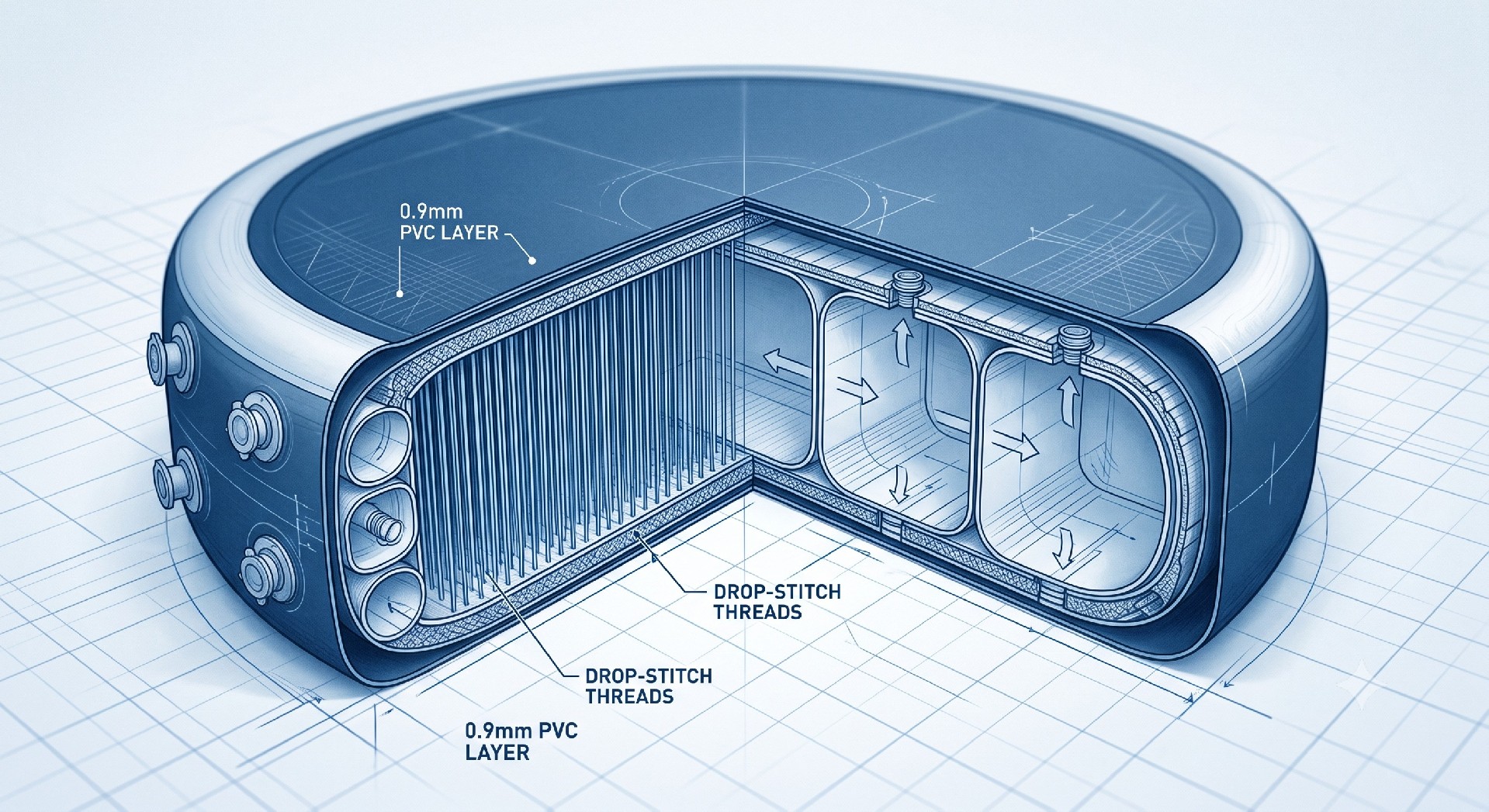
Structural Engineering: Drop-Stitch Cores, Seams, and PSI Integrity
Beyond surface material, the internal structure defines the product's safety and longevity. High-end toddler pool games incorporate drop-stitch technology, creating a rigid, stable platform when inflated to optimal PSI (typically 8-10 PSI for recreational floats). This engineering principle, derived from stand-up paddleboard construction, ensures even weight distribution and prevents warping. Seam construction is equally critical. While glued seams are common in consumer goods, commercial-grade products rely on high-temperature heat sealing (welding) for air-tight integrity . Ginflatables, for example, employ quadruple stitching and over 100 reinforcements at stress points on their units, highlighting the level of detail required for professional equipment . Additionally, the use of 1000D inner baffles and finger protector safety mesh is a key feature preventing injuries in toddler-targeted inflatables.
Critical Material Specifications for Professional Procurement
Material Thickness: Commercial-grade equipment typically features 0.9mm (18oz) to 1.2mm PVC, far exceeding the 0.35mm-0.5mm found in consumer-grade products .
Reinforcement: Look for multi-layer fabric lamination and heat-welded seams. Units should specify a minimum of double stitching, with quadruple stitching in high-stress base areas .
Safety Certification: Verify CE, EN71, ASTM, and ideally EN14960 or ISO 6185 for floating play equipment . TUV certification is a premium indicator of quality .
Inflation/Deflation Systems: High-throughput commercial setups require rapid inflation, ideally under 2 minutes with a compatible blower .
Technical Specifications
| Key Parameter | Commercial-Grade Specification |
|---|---|
| Material Composition | 0.9mm - 1.2mm Reinforced PVC / 1000D - 1100D Denier Fabric |
| Recommended PSI | 8 - 10 PSI for stable platforms |
| Maximum Payload | Varies; typically 150-400 kg depending on size |
| Seam Type | High-temperature heat-welded / Quadruple Stitching |
| Safety Compliance | CE, EN71, ASTM F963, REACH, ISO 6185 |
| Inflation Time | < 2 minutes with commercial blower (≥700W) |
| UV Resistance | Anti-UV & heat-resistant coating recommended |
Safety Protocols and Age-Appropriate Design
Toddler pool games are not simply scaled-down versions of adult equipment. They require specific design features to mitigate risks. The American Academy of Pediatrics emphasizes that play, particularly water-based activity, supports brain structure and foundational motor skills . However, these benefits are only realized in a safe environment. Features like overhead safety netting, as seen on the JumpOrange 15 FT Rocker Slide, provide full enclosure to prevent falls . Similarly, enclosed splash pools with shallow depths (under 2 feet) are ideal for toddlers, ensuring supervision remains effective. When sourcing, ensure products feature rounded corners, non-slip surfaces, and are constructed with seams that prevent water from seeping into air chambers, which can create instability .
Commercial Application Scenarios: From Resorts to Rental Fleets
For resort operators and rental businesses, the Total Cost of Ownership (TCO) of pool games is paramount. While the initial cost of commercial-grade equipment is higher, the extended lifespan significantly improves ROI. A 0.9mm reinforced unit can withstand several seasons of heavy use, whereas a consumer-grade 0.35mm unit may require replacement annually . Furthermore, commercial units often come with warranties and are designed with features to reduce maintenance, such as quick-dry zipper drains and removable slide liners . For glamping and high-end resorts, aesthetically pleasing, custom-branded units with high-definition digital printing offer a premium guest experience while ensuring safety and durability .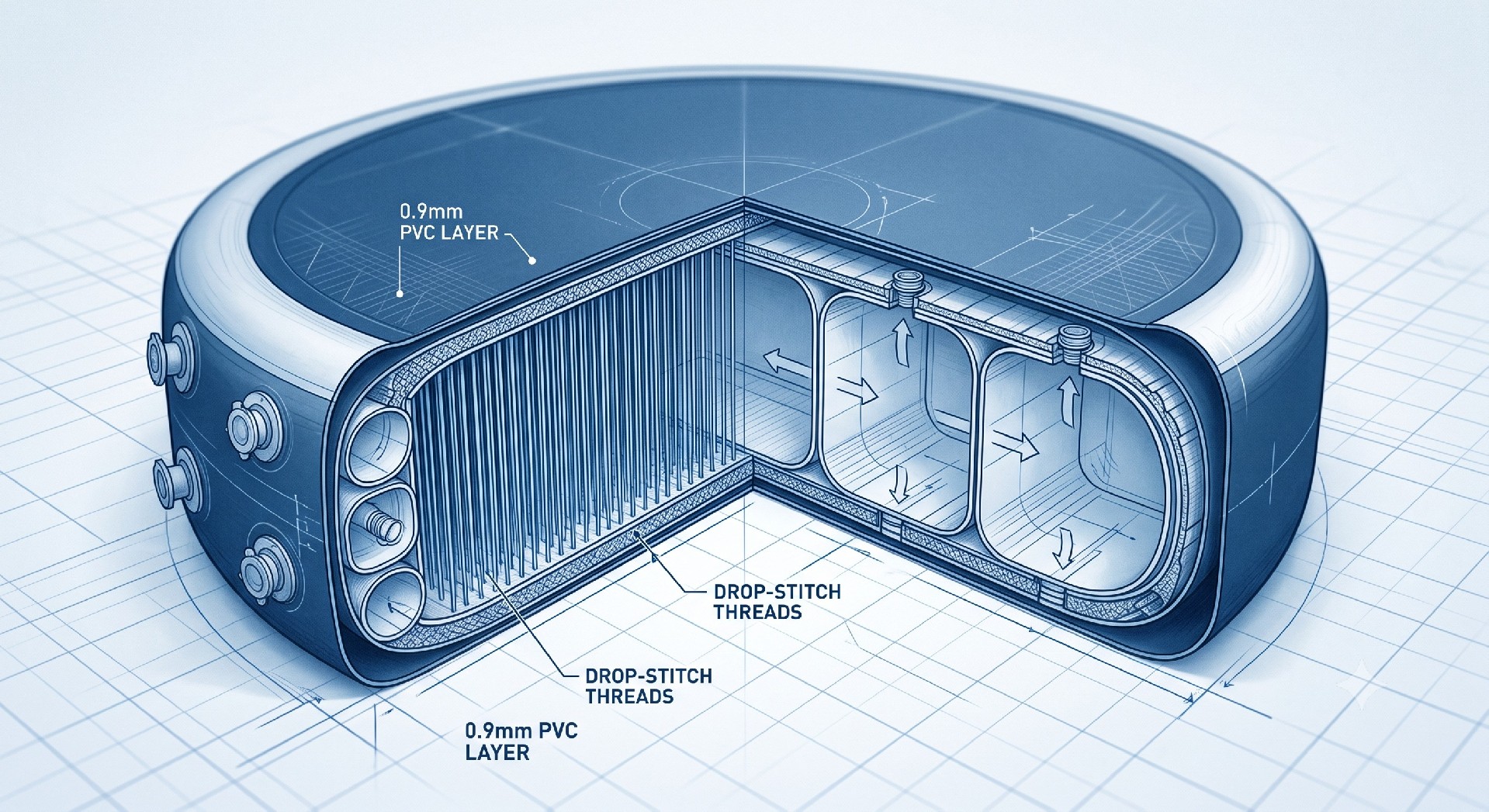
Conclusion: Strategic Sourcing for Long-Term Success
Sourcing fun and safe pool games for toddlers requires a shift in perspective from commodity purchasing to strategic investment. Prioritizing advanced materials (0.9mm+ PVC, 1000D baffles), certified manufacturing (CE, EN71, ASTM), and robust engineering (heat-welded seams, drop-stitch cores) is essential to mitigate liability and maximize profitability. Buyers must engage with vertically integrated suppliers who control the supply chain—from raw material sourcing to final assembly—to ensure quality and delivery reliability. As the B2B landscape evolves, data-driven decisions based on performance metrics and compliance standards will separate successful commercial operators from those facing recurring downtime and repair costs. By leveraging this technical guide, procurement professionals can confidently select products that deliver both joy and safety to the youngest users while ensuring a solid return on investment.
