

Why Your Sleeping Bag’s Rated Temperature Isn’t a Guarantee
If you’ve ever shivered through a night in a bag rated for the conditions, you already know the bag’s temperature rating is a laboratory number, not a field promise. The real question is not whether you need an extra blanket, but how to maximize the performance of the insulation you already have. This guide is for commercial buyers, outdoor rental operators, and expedition outfitters who need to keep clients warm and comfortable without adding bulky, heavy blankets to their inventory. A poorly sleeping guest generates complaints, negative reviews, and can even lead to dangerous situations in cold weather. While adding a blanket is the most obvious solution, it is often logistically difficult, adds significant weight and packed volume, and increases laundry costs. This article presents actionable, engineering-informed methods to extract the full thermal performance from a sleeping bag, focusing on insulation efficiency, moisture management, layering strategy, and bag preparation.
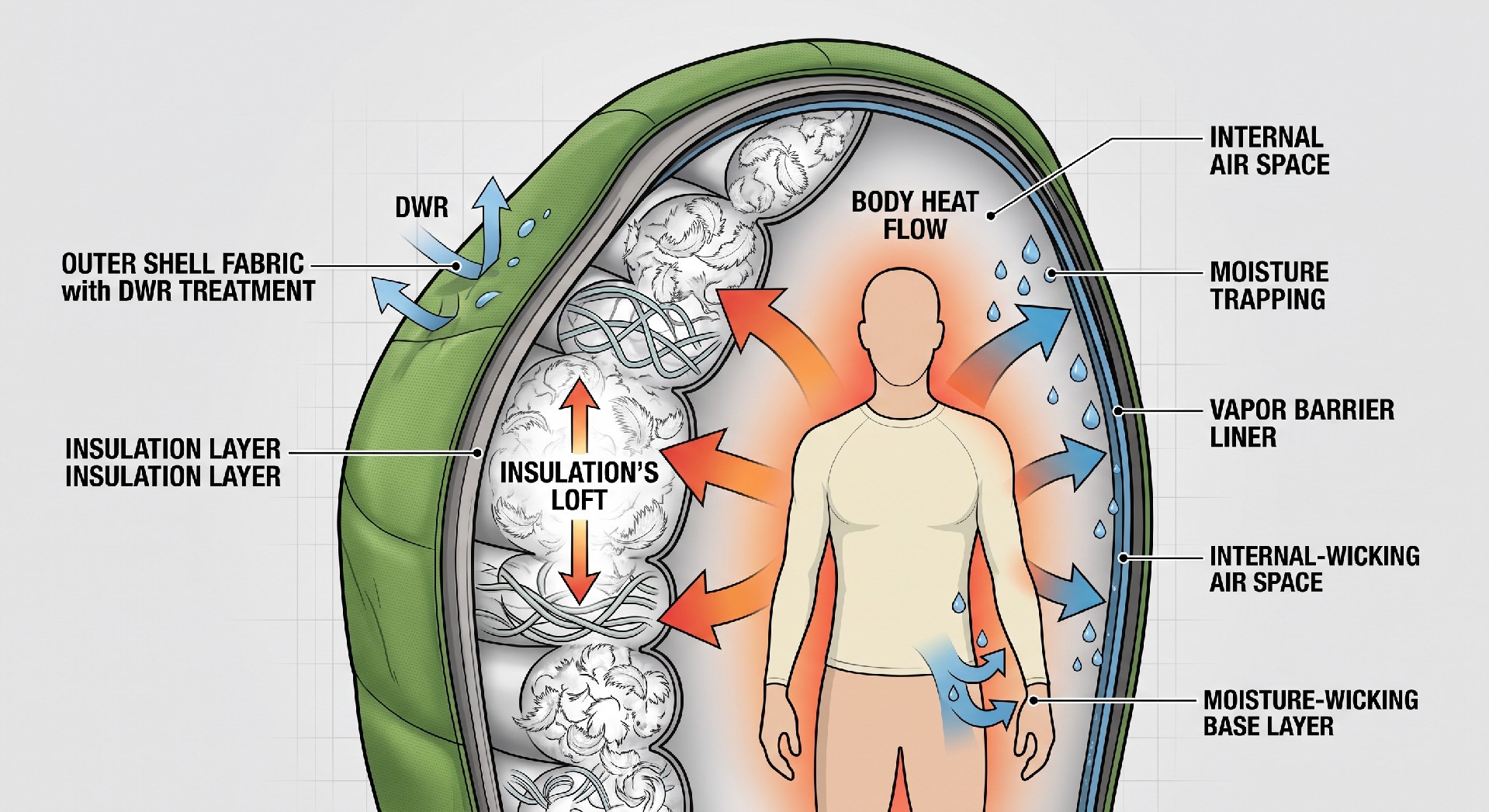
Thermodynamics of a Sleeping Bag: Understanding the Insulation System
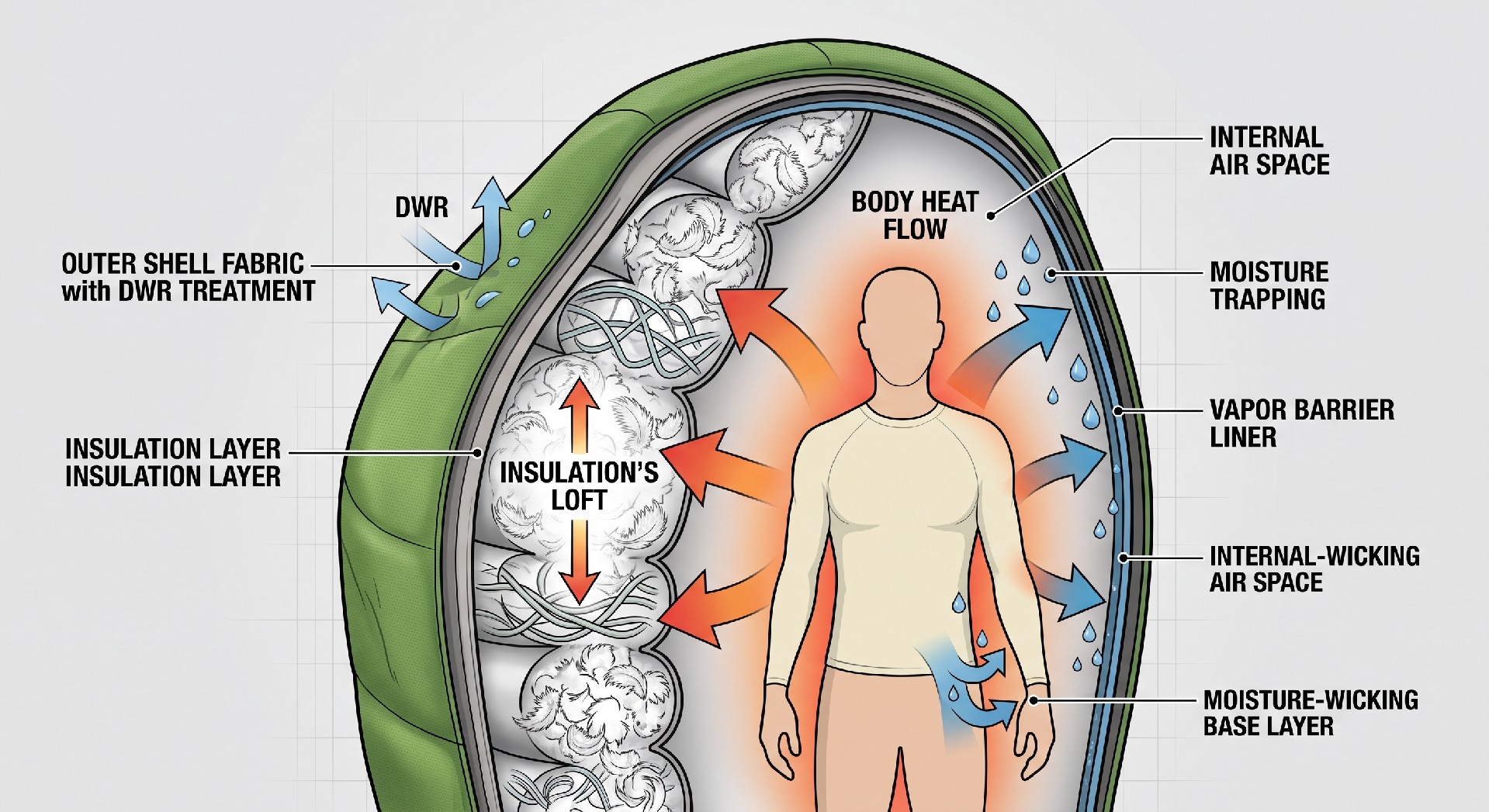
A sleeping bag does not generate heat; it traps and slows the loss of body heat. The system is comprised of three key elements: the insulation layer (down or synthetic), the shell fabric (which must be windproof and water-resistant), and the internal air space between your body and the insulation. The most common failure point is when moisture from perspiration or condensation wets the insulation, collapsing its loft and eliminating the dead air spaces that provide warmth. For commercial buyers, this is a critical specification to verify. A bag with 600-fill down in a non-breathable shell will underperform a bag with 550-fill down in a breathable, treated shell in real-world conditions. Understanding the relationship between insulation type, shell material, and moisture management is the foundation of sleeping warm.
The Role of Loft in Insulation Performance
Loft is the thickness of the insulation layer. Greater loft equals greater warmth. However, loft is highly sensitive to compression. A bag that has been stored compressed for a long period may have lost its ability to fully loft. For rental and commercial fleets, this means that the bag’s performance degrades over time if not stored properly. The typical commercial range for loft recovery in a good quality bag is between 85% and 95% of its original thickness after proper fluffing. This is often a buyer-side target to check during sample evaluation. When inspecting a bag, one of the top hacks is to give it several hours to fully expand in a warm, dry room before use. Many users rush this process, leading to a colder night. For fleet operators, establishing a protocol to fluff bags upon return and before re-issue can improve warmth ratings by 5-10°F in real-world use.
Moisture Management: The Enemy of Insulation
Moisture is the single most significant factor in reducing a sleeping bag’s thermal efficiency. When down insulation gets wet, it clumps and loses its loft. Synthetic insulation is more resistant to moisture, but it still loses significant warmth when wet. The source of moisture is twofold: internal perspiration and external condensation from your breath. The most effective hack to combat this is the use of a vapor barrier liner. A vapor barrier is a non-breathable layer placed directly against your skin or as a bag liner. It prevents perspiration from entering the insulation, ensuring the bag stays dry. This is a controversial but highly effective technique in cold-weather camping and emergency survival. For commercial use, a vapor barrier liner can be a cost-effective way to extend the usable temperature range of a fleet of bags. For instance, a 20°F rated bag with a vapor barrier liner can often perform comfortably down to 10°F. However, it does trap moisture against the skin, so the user must have appropriate base layers to wick that moisture. A more common and comfortable approach is the use of a breathable, moisture-wicking liner. This keeps the bag interior cleaner and draws moisture away from the body, reducing the amount of water vapor that reaches the main insulation.
Moisture from Condensation
Breath contains a significant amount of water vapor. In a closed tent or bivy, this vapor can freeze or condense on the outer shell of the sleeping bag. A water-resistant shell fabric is essential to stop this external moisture from soaking into the insulation. This is where material specifications like DWR (Durable Water Repellent) treatments on the outer shell are critical. For B2B buyers, this is a key parameter to verify. A supplier should be able to provide data on the water resistance of the shell fabric, often measured as a hydrostatic head test result. Look for typical commercial ranges of 1000mm to 1500mm for a decent level of protection. This specification matters more than the fill power of the down or the denier of the fabric in wet conditions. The best hack for this is to ensure the bag is properly vented. Even a small opening can allow moisture to escape and significantly reduce condensation buildup. For resort or attraction buyers, this means training guests to open the top of the bag slightly if they feel warm, rather than unzipping the entire side and losing all trapped heat.
| Decision Factor | Commercial Target | Why It Matters | Buyer Check |
|---|---|---|---|
| Insulation Material | Down for dry/cold climates, Synthetic for humid/wet climates | Down provides best warmth-to-weight but fails when wet. Synthetic retains warmth when damp and dries faster. | Ask supplier for field performance data, not just lab ratings. |
| Shell Water Resistance | Hydrostatic Head > 1000mm for standard use, > 1500mm for wet conditions | Prevents external moisture (condensation, frost) from entering insulation. | Request the hydrostatic head test result from the supplier's fabric certificate. |
| Zipper Draft Tube | Full-length, well-insulated tube covering zipper | Prevents cold air from entering through the zipper, a major heat loss point. | Physically inspect the tube to ensure it is thick and overlaps the zipper fully. |
| Bag Loft | Minimum 85% recovery of original thickness in 4 hours | Indicates the insulation's health and ability to trap air. | Perform a visual and thickness check on samples. Fluff and measure. |
| Sleeping Pad Compatibility | Pad sleeve or strap system that holds pad in place | Prevents the user from rolling off the pad, ensuring continuous ground insulation. | Test with a typical sleeping pad to ensure the system works effectively. |
| Mouth Baffle | A roll-over or designed baffle at the top opening | Prevents your warm breath from entering the main body of the bag and causing condensation. | Check the design of the top of the bag. Is it shaped to keep the opening small? |
Layering Strategy: The Clothing System
The clothing you wear inside the sleeping bag is as important as the bag itself. The goal is to create a microclimate that keeps you warm without sweating. A common mistake is wearing too many clothes, which can cause perspiration and soak the insulation. The ideal system consists of a lightweight, breathable base layer (silk or merino wool) and a mid-layer if necessary. Heavy cotton clothing is a poor choice as it absorbs moisture and loses its insulating properties. A good hack is to use a sleeping bag liner. A liner adds a thermal barrier, protects the bag from body oils, and is easy to wash. Fleece liners can add approximately 10-15°F of warmth to a bag’s rating. For a commercial fleet, having a supply of liners for cold-weather bookings is a low-cost inventory investment compared to buying a separate fleet of heavier bags. This is a classic ROI decision: the cost of ten liners is significantly less than the cost of ten winter-specific bags. It also allows for flexible inventory management, where the same bag can be used year-round with a liner added for winter months. OEM brands and private-label sellers should consider offering their bags with an optional thermal liner as a value-added package, increasing the average order value.
The Importance of a Dry Base Layer
Never get into a sleeping bag wearing the same clothes you hiked or worked in. Even if you don’t feel wet, sweat has accumulated in the fabric. Always change into a dry base layer specifically designated for sleeping. This is a crucial operational hack for any expedition or rental service. A simple rule to enforce is that all clients must have a dedicated pair of sleeping clothes. This reduces bag contamination and dramatically improves warmth. A base layer that is 100% merino wool or a synthetic blend is optimal as it wicks moisture and retains heat even when damp. The difference between sleeping in a damp base layer and a dry one can be as much as 10°F in perceived comfort. For fleet operators, this might be a point to include in your pre-trip briefing documents.
Insulation Material: Down vs. Synthetic
One of the most critical specification comparisons for a commercial buyer is choosing between down and synthetic insulation. Each has a distinct thermal performance profile in field conditions. Down offers an unparalleled warmth-to-weight ratio but fails dramatically when wet. Synthetic insulation retains its insulating properties when damp, dries faster, and is typically more affordable. For rental fleets in humid or unpredictable environments, synthetic may be the more reliable choice to avoid guest complaints and safety incidents. For high-altitude, dry environments, down offers the ultimate performance. The top hack here is to understand the specific conditions of your operation and choose the material accordingly. Do not buy down for a tropical rainforest tour and do not buy synthetic for a multi-day winter expedition, unless weight is a secondary concern. The table below provides a direct comparison of these two materials for commercial buyers.
Physical Preparation and Bag Maintenance
Preparation begins before you even unroll the bag. A cold ground will suck the heat out of you faster than cold air. While this article is about sleeping without extra blankets, using a sleeping pad is not a blanket. A sleeping pad provides crucial insulation from the ground. An insulated pad with a high R-value is essential. This is often a separate piece of equipment that a commercial buyer must also specify. Furthermore, a simple hack is to put a hot water bottle inside the bag before you get in. This pre-heats the interior and provides a warm thermal battery. For commercial operators, providing a hot water bottle or a re-usable heat pack at night can be a low-cost, high-impact service that guests love. Finally, ensure the bag is clean. Body oils and dirt can degrade insulation performance. Regular washing with a specialized down or synthetic wash is part of lifecycle management and helps maintain the bag's rated temperature. Rental operators should factor cleaning costs and frequency into their maintenance budget, as a clean bag performs better and lasts longer.
The Pre-Sleep Warm-Up
A little-known hack is to perform a few light exercises before getting into the bag. Jumping jacks or a quick walk can raise your core temperature, meaning you’ll be warmer and stay warmer for longer. This reduces the initial shock of cold bedding and helps you fall asleep faster. However, it is crucial not to sweat. The goal is to warm up, not to work out. For a commercial guide, this is a simple tip to share with groups before they turn in for the night. It’s a behavioral change that costs nothing and can significantly improve the guest experience. The objective is to create a heat surplus that will last through the night, particularly important when the outside temperature is close to the bag's limit.
Making Your Specification Decision
Selecting the right sleeping bag and implementing these performance hacks is not about buying the most expensive bag; it’s about optimizing the system. For an importer or distributor, the decision should be driven by the specific use-case of their clients. If you are supplying to mountain guide services, prioritize down and moisture-resistant shells. If you are supplying to summer camp rental fleets, prioritize synthetic for its durability and ease of maintenance. The final decision should always be conditional on the environment. A bag is only as good as the user’s preparation. By focusing on moisture management, layering strategies, and proper maintenance, you can extend the effective temperature range of any sleeping bag by 10-15°F without adding a single extra blanket. This improves the bottom line, reduces the need for bulky, heavy inventory, and most importantly, ensures the end-user’s comfort and safety. When building your RFQ, ask the supplier about the bag’s loft recovery time, shell fabric water resistance, and the quality of the zipper draft tube. These are the specification items that have the most significant impact on real-world warmth, and they are often overlooked in favor of simple fill power numbers.
