

Why Electric Air Pumps Overheat in Commercial Use
Electric air pumps are the workhorses of many commercial inflatable operations, yet overheating remains the single most common cause of unexpected downtime and costly repairs. For rental fleets, resorts, and OEM buyers, a pump that fails mid-inflation can delay deployments, frustrate customers, and erode trust in equipment reliability. The core issue isn't usually a single defect, but a combination of operational demands, environmental factors, and pump design limitations that push thermal limits beyond safe thresholds. Understanding why these pumps overheat is the first step in selecting the right pump for your specific application and implementing a maintenance protocol that extends service life.
The Physics of Pump Overheating: What's Happening Inside
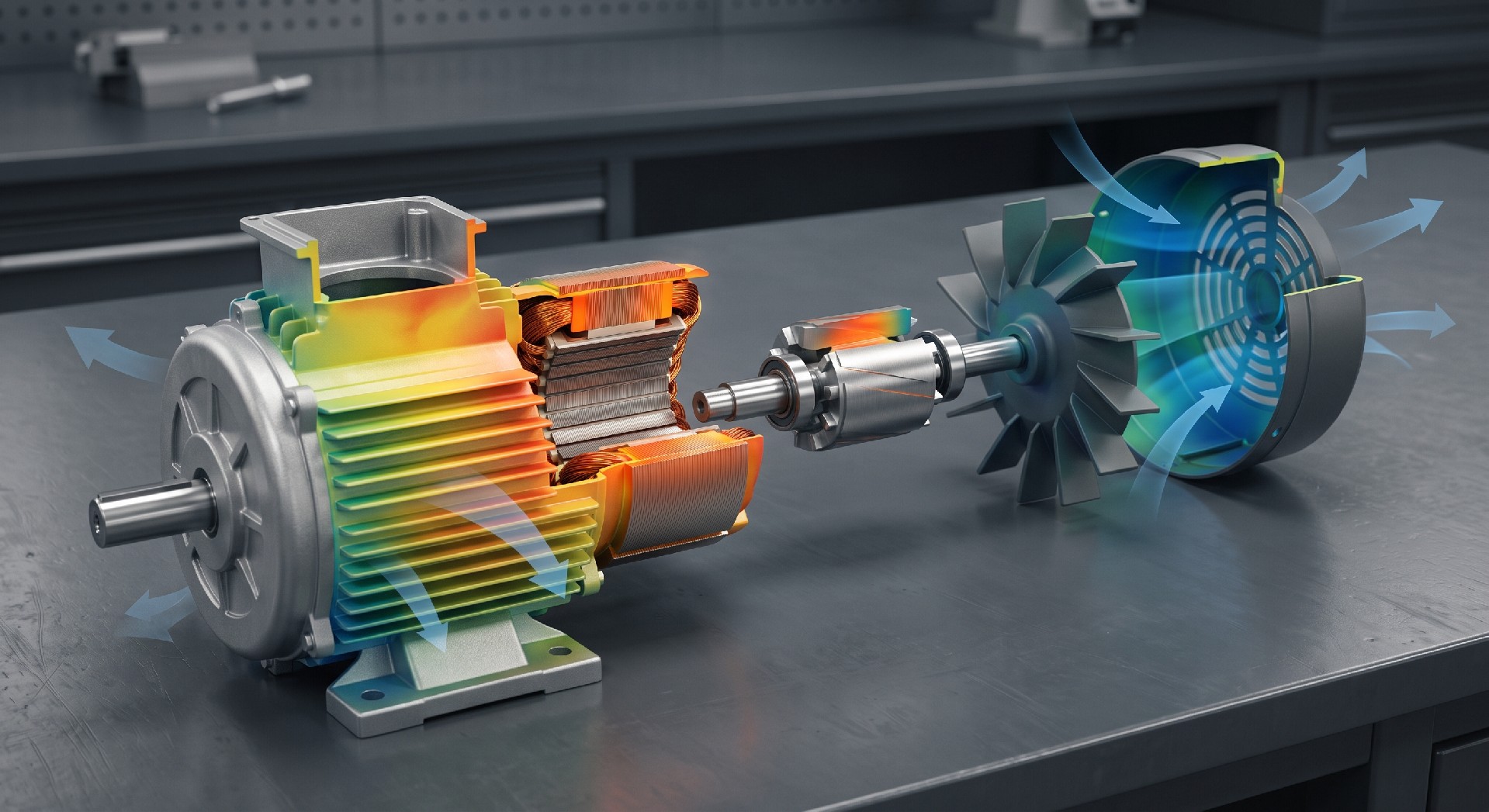
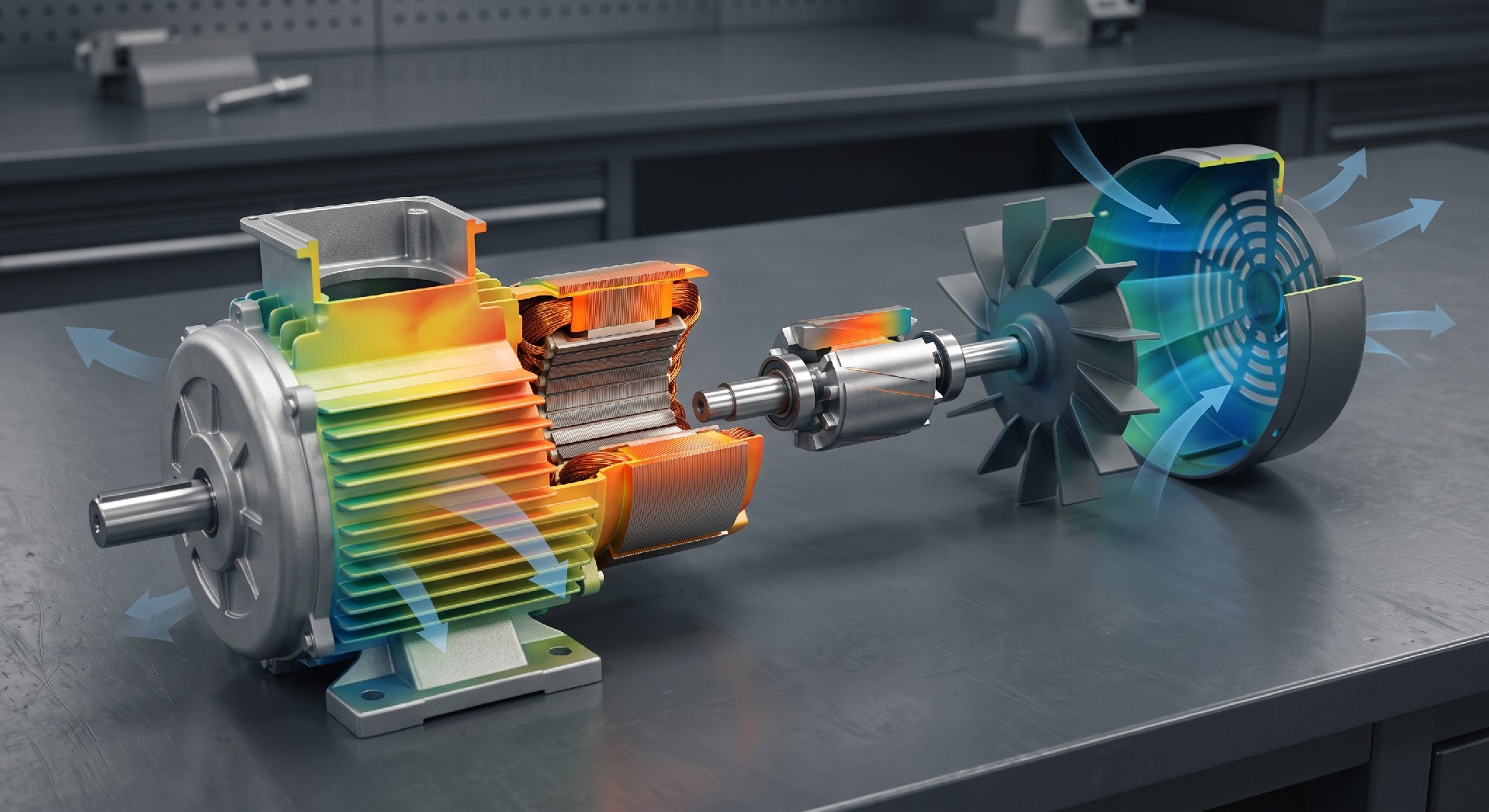
An electric air pump converts electrical energy into mechanical work to move air. This process generates significant heat, primarily from the motor windings, the compression mechanism, and the friction of moving parts. In a typical commercial pump, the motor is the primary heat source. As current flows through the motor windings, electrical resistance produces heat. Under normal conditions, this heat is dissipated through the pump housing, often aided by an internal fan that draws cooling air across the motor and electronics.
Overheating occurs when the rate of heat generation exceeds the pump's ability to dissipate it. This thermal imbalance can be triggered by several factors. A common scenario is continuous operation beyond the pump's duty cycle. A pump rated for a 50% duty cycle, for example, is designed to run for 30 minutes and then cool for 30 minutes. Running it for two hours straight can cause temperatures to rise to a point where the motor's internal insulation degrades, leading to a short circuit or a complete motor failure. Another critical factor is the backpressure created when inflating a large or high-pressure inflatable. As the pressure inside the inflatable increases, the pump works harder against this resistance, drawing more current and generating more heat. This is particularly relevant when using a pump with a low-pressure, high-volume design to inflate a high-pressure drop-stitch inflatable, a mismatch that forces the motor into a constant overload state.
Key Components Prone to Heat Damage
Understanding which components are most vulnerable to overheating is crucial for effective maintenance and troubleshooting.
Motor Windings: The copper windings are coated with an insulating varnish. Prolonged exposure to high temperatures (typically above 130°C) causes this varnish to break down, leading to short circuits and a burnt-out motor.
Thermal Cut-Off (TCO) Switches: These are safety devices designed to open the electrical circuit and stop the pump when a critical temperature is reached. While they prevent catastrophic failure, frequent activation indicates an underlying issue and can lead to premature switch failure.
Capacitors: The start capacitor in many induction motors is heat-sensitive. Overheating can cause the electrolyte to dry out, reducing capacitance and eventually preventing the motor from starting.
Pump Housing and Impeller: In some pump designs, particularly those with plastic housings, excessive heat can soften or deform the housing, leading to seal failures or impeller rub, which further generates heat and reduces efficiency.
Why High-Volume, Low-Pressure Pumps Are Often Misapplied
A common procurement error, particularly for rental operators expanding their fleet, involves selecting the wrong pump type for the inflatable category. High-volume, low-pressure pumps (often rated below 2 PSI) are excellent for rapidly inflating large, low-pressure structures like bounce houses, inflatable slides, and tents. They move a large volume of air quickly but cannot overcome the backpressure required for high-pressure inflatables.
When these pumps are used for drop-stitch watercraft, docks, or other high-pressure inflatables (which often require 7-15 PSI or more), they struggle to build the necessary pressure. The motor runs continuously at high current, but the airflow stalls. This condition generates immense heat without moving much air for cooling, making it one of the fastest ways to overheat and destroy a pump. For commercial buyers, this is a critical distinction. A single pump cannot efficiently serve all applications. A rental fleet with both inflatable slides and paddleboards requires separate pumps optimized for each pressure range.
Common Operational Mistakes That Accelerate Overheating
Beyond equipment misapplication, operational practices play a significant role in pump lifespan. Understanding these common mistakes can prevent many thermal-related failures.
Blocked Air Intake or Exhaust: The pump's cooling fan relies on a free flow of air. Operating the pump on a dusty surface, in a confined space, or with the intake filter clogged restricts airflow, trapping heat inside the housing.
Improperly Sized Hoses and Connectors: Using a hose that is too long or has a smaller diameter than the pump's outlet creates additional backpressure. Similarly, using adapters that create a bottleneck forces the pump to work harder, increasing current draw and heat generation.
Operating on Unstable Power Sources: Generators or extension cords that are undersized can cause a voltage drop. A motor receiving lower voltage will draw higher amperage to maintain its output, leading to increased heat without a proportional increase in work performed.
Ignoring Ambient Temperature: A pump used in direct sunlight on a 40°C day will have a much harder time dissipating heat than one operating in a shaded area at 25°C. Commercial users should derate pump use in extreme heat.
Preventive Maintenance and Monitoring for Pump Longevity
Implementing a structured preventive maintenance program is the most effective way to prevent overheating and maximize the return on investment for commercial pumps. This program should integrate into the broader equipment lifecycle management strategy.
A robust maintenance plan begins with clear duty-cycle limits. Operators should be trained to track pump run time and adhere to the manufacturer's specified duty cycle. Many commercial pumps now come with hour meters, which are invaluable for tracking usage and scheduling service intervals. Regular cleaning of the pump housing and intake filters is essential to ensure adequate airflow. This is particularly important in sandy or dusty environments where filters can clog quickly. Finally, thermal monitoring is a powerful diagnostic tool. Operators can use an infrared thermometer to check the pump housing temperature periodically. If the housing exceeds 70°C under normal operation, it is a strong indicator that something is wrong.
| Observed Symptom | Likely Cause | Diagnostic Check | Corrective Action |
|---|---|---|---|
| Pump runs but inflates slowly or stops before reaching pressure. | Insufficient pressure capacity for the application (high backpressure). | Check the inflatable's specified operating pressure vs. pump's max pressure rating. | Replace with a pump that meets the pressure requirement. Use a pump with a higher PSI rating. |
| Pump runs but feels excessively hot to the touch (housing > 70°C). | Continuous operation beyond duty cycle or inadequate cooling airflow. | Monitor run time against the duty cycle. Check if air intake/exhaust vents are blocked. | Allow pump to cool. Reduce run time. Clean filters and ensure vents are clear. Move to a cooler or shaded operating location. |
| Pump motor emits a loud hum but fan does not turn. | Seized motor bearings or a failed start capacitor. | Attempt to turn the fan manually (with power off). Inspect capacitor for bulging or leaking. | Replace the capacitor or the motor if bearings are seized. Consider a new pump if the pump is old. |
| Pump shuts off automatically after a short period. | Thermal cut-off (TCO) activated due to overheating. | Check ambient temperature and pump housing temperature. Verify the pump is not being overloaded. | Reduce ambient temperature and ensure proper ventilation. Check if the TCO has failed (tripping at a lower temperature). Replace the pump if the TCO frequently triggers. |
| Pump operates, but the circuit breaker or GFCI trips. | Electrical short caused by heat-damaged motor windings. | Inspect motor for visible damage or a burnt smell. Use a multimeter to check for a short circuit. | Replace the motor or pump. Investigate voltage supply and generator compatibility. |
Commercial Procurement: Selecting a Pump That Won't Overheat
For B2B buyers, the focus should be on pumps designed for continuous commercial use rather than intermittent home-use models. Key features to look for include all-metal construction for better heat dissipation, robust thermal protection systems, and a motor with a high service factor (the amount of overload it can handle without damage).
When specifying a pump, you must align the pump's flow rate and pressure capabilities with your specific inflatable fleet. For a high-pressure drop-stitch boat, you require a pump that can reach the required PSI without running continuously at its maximum current draw. Look for pumps with a pressure gauge to monitor backpressure in real-time. Some advanced models now feature integrated thermal sensors that will automatically shut down or reduce speed before the motor is damaged. This feature is worth the investment for high-utilization fleet operations, where a single pump failure can idle multiple inflatables. For OEM buyers, discuss integrating a pump that matches the pressure and volume requirements of your product and its expected deployment environment.
Replacement Decision: When to Repair and When to Retire a Pump
Every commercial pump will eventually require replacement, but the decision should be based on data rather than a single failure. Regular failures, especially if they are thermal in nature, indicate that the pump is no longer suitable for its application or has reached the end of its useful life.
A critical part of the decision matrix is the cost of downtime. If a pump failure causes a rental to be delayed or canceled, the lost revenue can quickly exceed the cost of a new pump. For example, if a resort's docking pump fails during peak season, the financial impact of a two-hour delay in launching a new watercraft fleet might justify an immediate replacement. Furthermore, consider the supply chain for spare parts. If the pump manufacturer is overseas and spare parts have a six-week lead time, it might be more practical to keep a spare pump in stock. Some fleet operators choose a strategy of planned obsolescence, where they set a service life based on operating hours and proactively replace pumps before they fail, minimizing costly unscheduled downtime and customer dissatisfaction.
Operational Best Practices for Fleet Managers
Translating knowledge into action is essential. For a rental fleet operator, this means integrating pump checks into your daily setup and takedown routines. All operators should be trained to check for unusual noises, which can indicate bearing wear; monitor the housing temperature by touch; and ensure all vents are clear. A simple 'pre-flight' checklist before each deployment can catch problems early.
Another key practice is to maintain a cool-down period between uses. This is especially important when inflating multiple units back-to-back. Even if a pump has thermal protection, allowing it to cool with its internal fan running for a few minutes before the next use can greatly extend its life. When stowing pumps, store them in a clean, dry environment. Exposure to moisture or corrosive materials can damage electrical components, which can manifest as a thermal issue later.
For buyers evaluating new pumps, review the technical data sheets carefully. Look for a pump that provides the necessary pressure at a flow rate that meets your operational needs, without exceeding its thermal limits. Remember, a pump with a higher flow rate might not always be better if its duty cycle is too low for your operational rhythm. The goal is to find a pump that can maintain the required performance without getting dangerously hot.
Thermal Management: The Decision That Protects Your Commercial Investment
Electric air pump overheating is not an unsolvable technical problem; it is a manageable operational risk. For commercial buyers, the solution lies in understanding the physics of heat generation, selecting the right pump for the intended application, and implementing a disciplined maintenance and monitoring program. The data is clear: a pump that runs cool is a pump that lasts.
When planning your next procurement or fleet expansion, prioritize pumps with documented duty cycles, metal components, and active thermal protection. Train your staff to recognize the early signs of overheating, such as excessive housing heat, unusual sounds, or frequent thermal cut-off activation. Finally, always evaluate your pumps against your operational demands. A pump that works for a small inflatable tent may be completely inadequate for a high-pressure dock system.
By treating your electric air pumps as a critical commercial asset rather than a simple accessory, you protect your operational uptime, control lifecycle costs, and ensure you can deliver the performance your customers expect. The choice of pump, your investment in maintenance, and your commitment to operator training are all decisions that directly impact your bottom line.
