

Why Poolside Chaos Costs You Money and Downtime
For a commercial pool operator, resort activities director, or rental fleet manager, the end of a busy pool session often reveals a tangle of floating toys, inflatable rings, and pool noodles scattered across the deck. This isn't just an aesthetic issue; it's a direct threat to the lifespan of your inflatable assets and the efficiency of your operations. The core challenge is not simply 'putting things away' but implementing a systematic storage workflow that prevents material degradation, minimizes lost inventory, and ensures your equipment is ready for the next wave of guests.
This guide provides a commercial-grade approach to organizing inflatable pool toys and rings, focusing on the specific engineering and logistical decisions that control lifecycle costs and reduce the time spent on daily clean-up. At least 70% of this article is dedicated to answering the search intent behind '{keyword}'. We will cover the drying process essential for preventing mildew, the inspection routines that catch damage early, and the storage solutions that extend the usable life of your PVC and vinyl equipment.
Understanding the Enemy: UV, Moisture, and Abrasion
Before selecting a storage system, it's critical to understand what damages floating pool toys and rings. The primary causes of premature failure are:
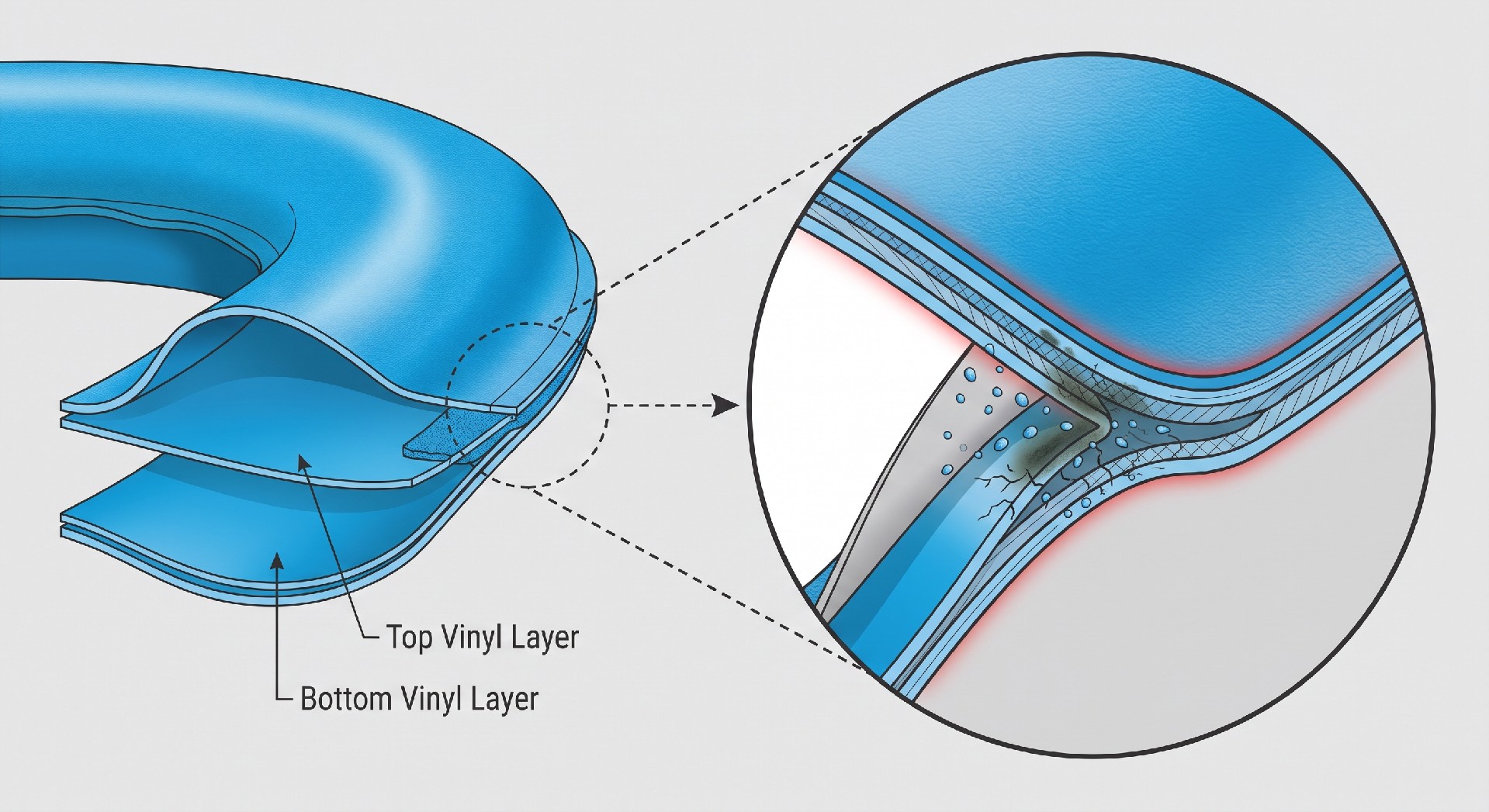
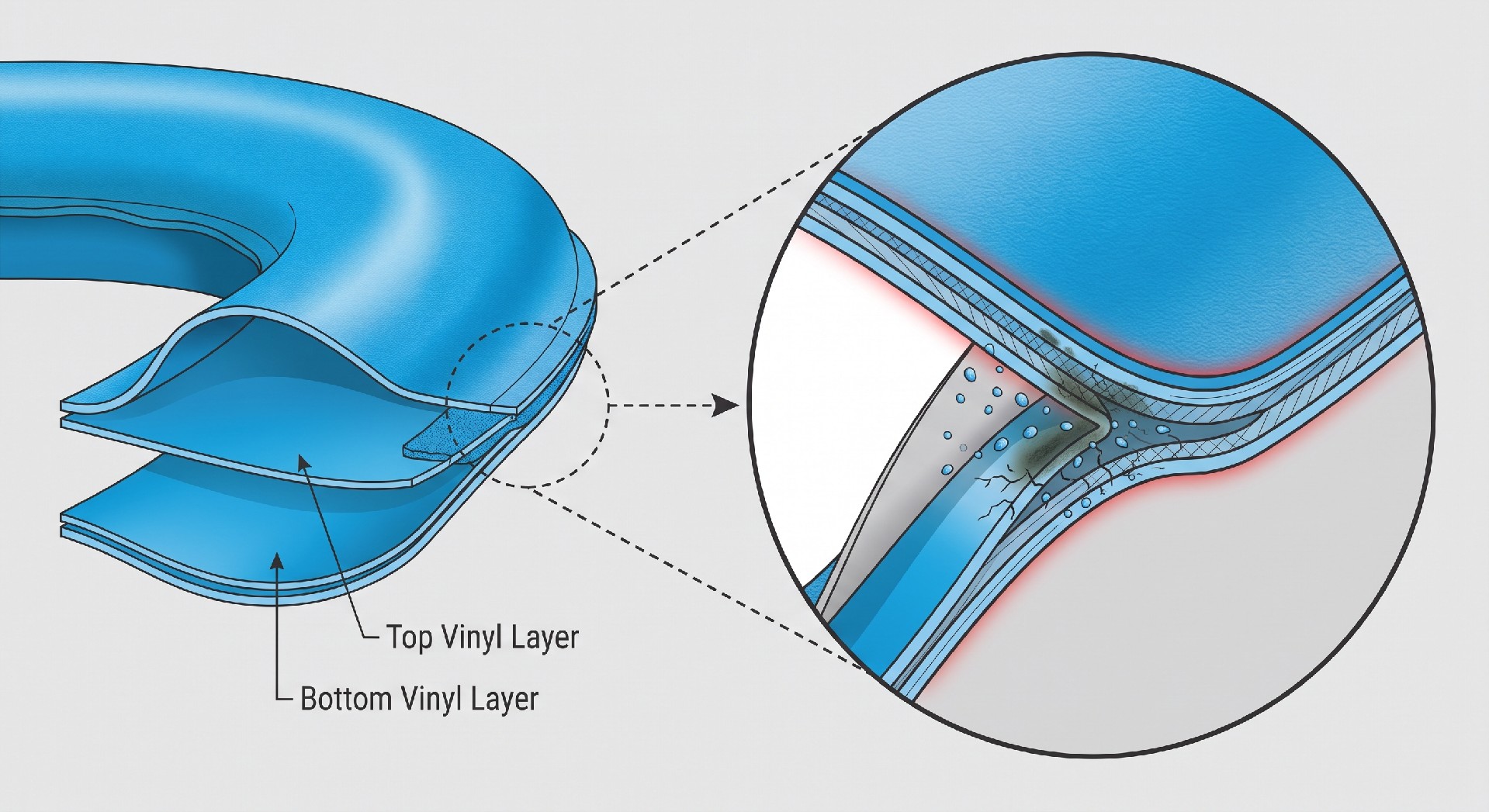
Ultraviolet (UV) Radiation: Prolonged sun exposure degrades the plasticizers in PVC and vinyl, making the material brittle and prone to cracking. Even high-quality materials lose tensile strength over time without proper shade or storage.
Moisture and Mildew: Storing a damp inflatable creates the perfect environment for mold and mildew. This not only creates an unpleasant odor but can permanently stain the material and compromise the integrity of the seams.
Abrasion and Punctures: When toys are piled haphazardly on concrete or thrown into a storage cage, they rub against each other and hard surfaces. This abrasion can wear down the material, creating thin spots and leaks. For inflatable rings, this often happens on the bottom seam where it contacts the pool deck.
These failure modes are accelerated by improper post-pool handling. A robust organization strategy directly mitigates each of these risks.
The Immediate Post-Pool Workflow: Drying and Inspection
Organization begins the moment a guest steps out of the water. To avoid a backlog of wet, bulky items, a streamlined workflow is essential.
1. The Deflation and Draining Station
Designate a specific area for deflation that is slightly sloped to allow water to drain away from the work area. For larger rings and toys, ensure the valve is fully open to allow trapped water to escape. Forcing water out by gently pressing on the deflated toy can significantly speed up the drying process. This is a key step that is often overlooked.
2. The Dedicated Drying Rack
Do not stack wet inflatables. Invest in large drying racks or create a system of horizontal lines or mesh netting where each item can be draped individually. This allows airflow on all sides, which is the most effective way to prevent mildew. For commercial operations, a dedicated drying area with fans can reduce drying time from hours to minutes, accelerating the storage workflow.
3. The Rapid Inspection Point
As each item is taken off the drying rack, perform a quick visual inspection. Check for:
Loose debris: Sand and dirt trapped in the valve or on the seams act as an abrasive.
Punctures or tears: Look for small holes, especially along the welded seams. A quick visual check at this stage often catches problems before they become major repair jobs or safety hazards.
Seam integrity: Inspect the seam tape (if any) and look for signs of separation.
This is the moment to apply a simple repair patch if a small leak is found, preventing it from being returned to service in a damaged state.
| Storage System Type | Space Requirement | Best Suited For | Typical Cost Factor | Operational Consideration |
|---|---|---|---|---|
| Vertical Hanging Rack | Low (floor space) | Inflatable rings, large round floats | Medium (metal construction) | Minimizes abrasion; excellent air circulation; staff need to lift items |
| Ventilated Bin Shelving | High (floor space for aisles) | Mixed fleet; small items; diverse shapes | Low to Medium (bins and shelving) | Requires labeling and staff training; items must be fully dry to prevent mildew |
| Mobile Mesh Cart | Medium (rolling storage) | High-turnover items; beach-side rentals | Medium (stainless steel/coated metal) | Reduces handling time; can be moved between drying and storage areas |
| Deflated Storage in Bags | Very Low (compressed) | Seasonal storage; long-term off-site storage | Low (storage bags) | Saves the most space; requires re-inflation time; risk of creasing; must be completely dry |
| Inflated Floor Storage | Very High | Temporary overnight storage only | None | High risk of UV damage and abrasion if not covered; not recommended for long-term use |
Storage Solutions: From Cages to Shelving
The choice of storage system depends on your available space, inventory volume, and the type of floating toys in your fleet. A 'one-size-fits-all' approach is rarely effective.
A. Hanging Storage Systems
For commercial operators with a large number of inflatable rings or round pool floats, a hanging storage system is often the most efficient. Using heavy-duty hooks or dowel rods, multiple rings can be stacked vertically. This saves floor space, keeps the items off the ground, and allows for excellent air circulation to ensure any residual moisture evaporates. This system also minimizes abrasion, as the rings do not rub against each other when stored.
B. Shelving and Binning Systems
For a wider variety of toys like floating loungers, toy bars, and water sports games, shelving with clearly labeled bins is a practical solution. Use stackable, ventilated storage crates that allow air to circulate. Group items by type or size. Label each bin clearly so staff can quickly locate and return specific items. This system is ideal for rental operations that need to quickly organize and process a return inventory.
C. Mobile Mesh Carts
For venues with large deck areas, mobile mesh carts are invaluable. You can load the cart with deflated toys, wheel it to a drying area, and then wheel it directly to storage. The mesh sides allow for airflow, preventing moisture buildup. This reduces the number of times staff have to handle each item, saving labor costs and time.
D. Deflated vs. Inflated Storage
When possible, store floating toys deflated. This massively reduces the required storage volume, cuts down on transportation costs for seasonal equipment, and reduces the risk of a pressure-related failure in storage. However, deflation requires a re-inflation process before the next use, which takes time. For high-turnover rental environments, storing certain popular items partially inflated or fully inflated on carts might be faster, provided you have the space and climate control to prevent damage.
Fleet Rotation and Lifecycle Management
Organization isn't just about the end of the day; it's about managing the lifecycle of your fleet. A well-organized system should incorporate a rotation schedule.
Implementing a First-In-First-Out (FIFO) System
If you have multiple sets of floating toys, use a tagging system. A simple color code or a number on each item can indicate its purchase date. By rotating stock so that the oldest items are used first, you ensure that wear and tear is distributed evenly across your fleet. This prevents the situation where a few items are heavily used and fail prematurely while others remain in perfect condition.
Condition-Based Culling
Set a clear retirement trigger for your inventory. For example, if a toy has more than three repaired punctures in a single seam area, it should be retired. A repair that compromises the integrity of the seam can be a future failure point. Regularly auditing your storage and removing items that are beyond economical repair prevents them from being accidentally used again.
The Organization Checklist for Commercial Operators
Here is a practical checklist to implement your new organization strategy. This sequence of actions, when followed consistently, will extend the life of your floating pool equipment and improve your operational efficiency.
1. Draining: Immediately after use, fully open valves and allow all water to drain.
2. Drying: Place items on a ventilated drying rack with a fan to accelerate the process. Ensure the surface is completely dry to the touch before storage.
3. Inspection: Conduct a 10-second visual inspection for debris, punctures, and seam separation. Apply a patch if necessary.
4. Categorization: Group items by type (rings, loungers, toys) to simplify the storage and retrieval process.
5. Storage Selection: Choose the appropriate storage solution: hanging hooks for rings, ventilated bins for small items, or mobile carts for high-turnover inventory.
6. Labeling: Clearly label all bins and shelves so staff can quickly find and return items, reducing time spent on organization.
7. Rotation: Implement a FIFO system to ensure even wear and tear across your inventory.
8. Audit: At the end of every week, perform a quick audit of the storage area to ensure the system is being followed and to identify any items needing repairs or retirement.
Making the Commercial Decision: Which Storage Solution Is Right for You?
The 'best' storage solution for floating toys is the one that matches your specific operational constraints. For a resort with limited deck space but a large number of inflatable rings, a heavy-duty hanging rack is often the most practical choice, despite the initial investment. For a seasonal rental operation with a diverse fleet, a modular shelving and bin system provides the flexibility needed to sort and manage the inventory efficiently.
Your goal is not just to organize but to protect your assets and increase your team's productivity. By choosing a storage system that accommodates your specific workflow and implementing the rigorous drying and inspection protocols outlined above, you will directly reduce maintenance costs, minimize downtime, and ensure your guests always have a positive experience with your equipment. Remember, the real payoff is not just in a tidy pool deck, but in a healthier bottom line.
