

Why a Routine Launch Destroys More Inflatable Fishing Boats Than Open-Water Use
The most expensive damage to an inflatable fishing boat rarely occurs during a rough-water crossing. It happens in the first three minutes of contact with a shallow, rocky shoreline. Abrasion from angular stones, point-loading on sharp edges, and the mechanical stress of dragging a loaded hull over an uneven surface create a failure pattern that is distinct from standard operational wear. For commercial operators, resort fishing guides, and private owners managing high-use fleets, the launch procedure from a rocky shore directly dictates hull life, repair frequency, and downtime. This article focuses on the engineering decisions and deployment protocols that protect an inflatable fishing boat during this high-risk phase. It does not cover general maintenance, storage, or open-water performance. Instead, it provides a practical specification blueprint for buyers and operators who need to launch regularly from challenging shorelines.
Classifying the Launch Environment: Not All Rocky Shores Are Equal
Before selecting a launch technique or specifying a hull configuration, the operator must classify the shoreline. A glacial moraine with large, unstable boulders presents a different risk profile than a low-angle limestone shelf or a cobble beach with rounded stones. The primary destructive forces are:
Abrasion: The grinding action of the hull fabric against angular rock surfaces. This is a fabric-tear and coating-removal risk.
Point-Loading: The weight of the boat, outboard motor, and gear concentrated on a single small stone. This can exceed the fabric's burst strength locally, leading to delamination or puncture.
Shear Stress: The lateral force applied when the hull is pushed or pulled sideways over an uneven surface, which stresses seams and glued connections.
For commercial buyers, the first decision is not about which pump to buy. It is about matching the hull's floor construction and bottom coating to the site's abrasion index. A boat with a simple PVC floor will fail faster on a rocky shore than one with a drop-stitch high-pressure floor and a thick, sacrificial rubbing strip.
Specifying the Right Hull Architecture for Rocky Shore Deployment
When purchasing an inflatable fishing boat for rocky-shore operations, three technical specifications dominate the launch survivability equation:
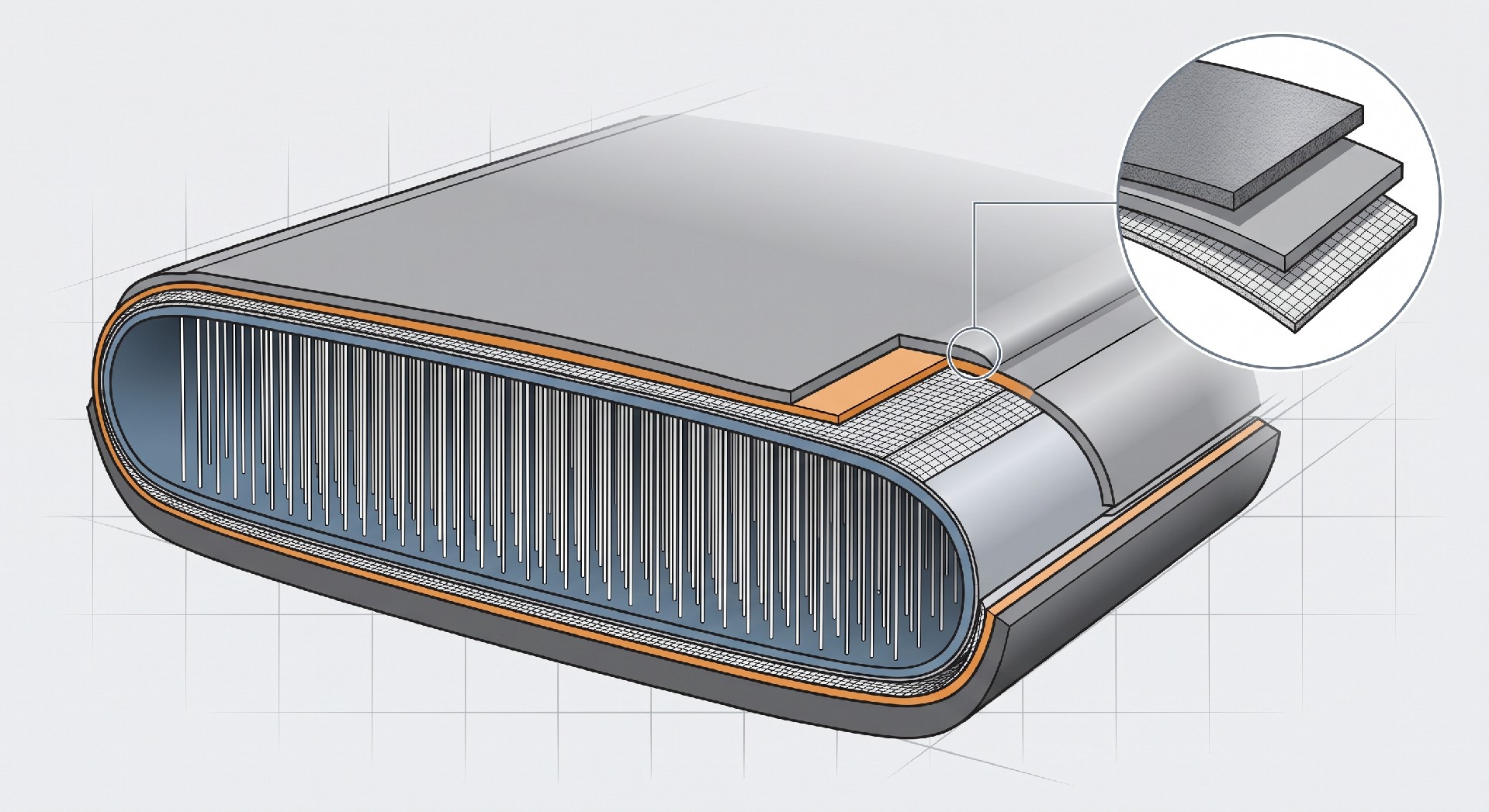
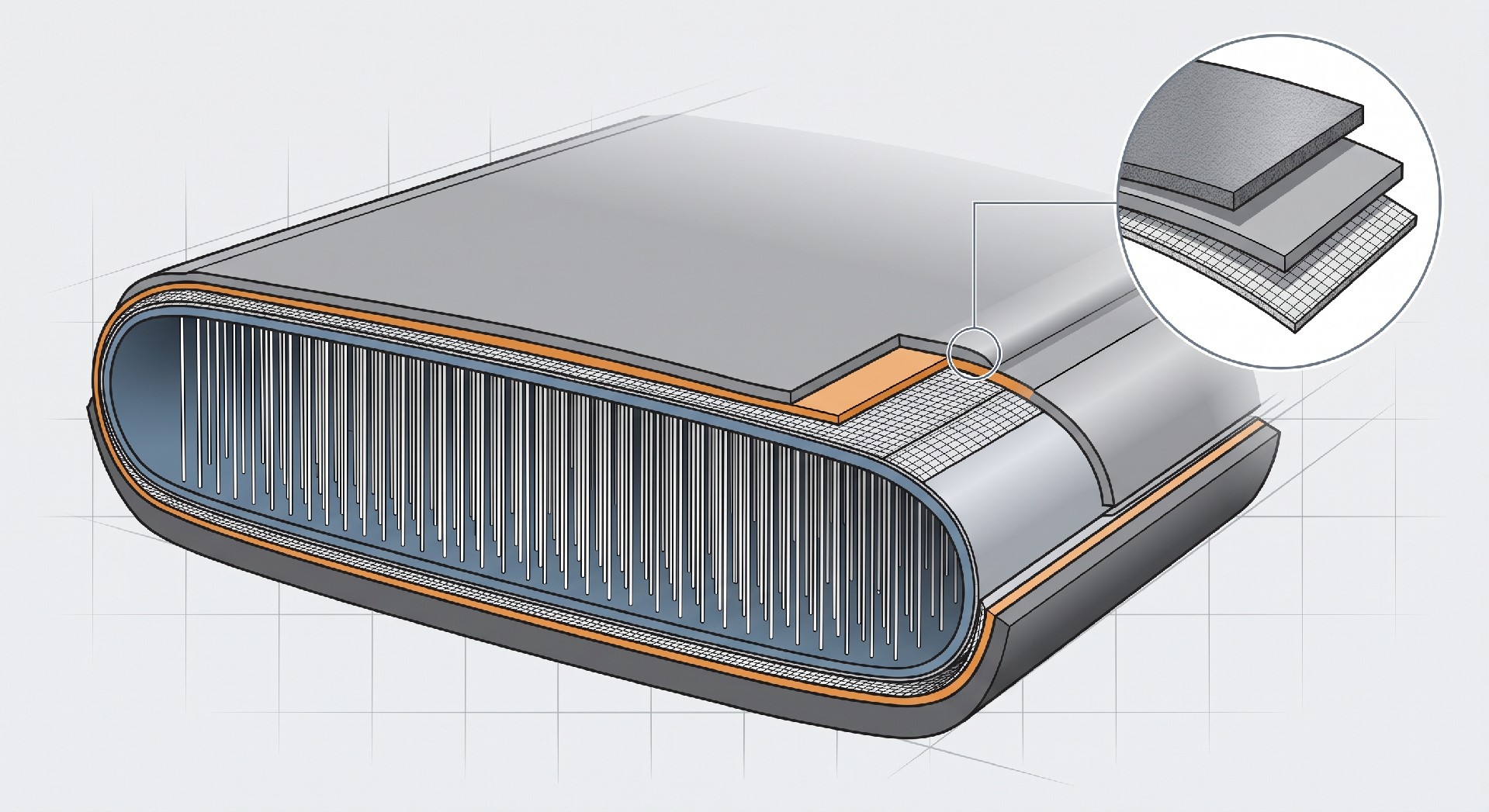
Floor Type: A high-pressure drop-stitch floor (typically operating at 10-15 PSI) provides a rigid, flat platform that distributes the boat's weight over a larger surface area, reducing point-loading on individual rocks. This is superior to an air-deck floor, which flexes and conforms to the rock shape, increasing the risk of abrasion and puncture. Air-deck floors are lighter and cheaper but are not recommended for rocky launch sites.
Bottom Fabric and Coating: The standard commercial range for bottom fabric is 0.9mm to 1.2mm PVC or Hypalon/CSM. However, the coating is the critical variable. A heavy-duty, high-abrasion-resistant coating, often specified as a >500 g/m² coating weight, offers significantly better protection than standard coatings. Many OEM buyers specify a double-coated bottom or an additional PVC sacrificial layer on the keel and chine areas.
Keel Design: An inflatable keel can provide a sacrificial buffer against rocks, but it can also trap stones, increasing localized wear. A better choice for rocky launches is a flat or semi-V floor with a heavy-duty rubbing strip on the keel line. This strip, often made of thick PVC or Hypalon with a textured surface, is designed to absorb the initial impact and abrasion.
These specifications are not universal. A boat intended for a sandy beach in Florida requires a different floor and coating than one destined for a rocky fjord in Norway. The buyer must confirm these details with the supplier and, ideally, request a sample of the bottom fabric for a simple abrasion test.
The Launch Protocol: A Step-by-Step Deployment Workflow
A well-designed boat is only half the solution. A disciplined launch protocol is essential to minimize damage. The following workflow is designed for rocky shorelines and assumes a boat length of 3.5 to 5.0 meters, the most common size for commercial fishing operations.
Site Inspection: Walk the launch path. Clear any large, unstable rocks that could shift under the boat's weight. Identify the best entry point where the water depth meets the shore at the most gradual angle.
Positioning: Unload the boat from the trailer or carry it to the water's edge. Do not attempt to drag it over rocks. If the boat is on a trailer, back the trailer down to the water's edge. If the boat is carried, use a carrying yoke or four-person carry to distribute the load.
Inflation Check: Ensure the boat is inflated to the manufacturer's recommended working pressure for the drop-stitch floor. A soft floor flexes more, increasing the risk of point-loading and abrasion. For a typical 3.8m boat, the floor pressure is often between 10-15 PSI, while the side tubes are often 2.5-3.5 PSI. Verify the final pressure on the final datasheet.
Initial Water Contact: Gently lower the stern into the water first, so the transom and motor are floating. This reduces the weight on the forward sections as they are pushed off the rocks. Use a long painter line to control the boat's movement.
Controlled Float-Off: Push the boat off the rocks using the painter line, not by pushing directly on the bow. Once the boat is floating in water deep enough to clear the rock bed, the operator can board. Do not board the boat while it is still in contact with the rocks.
| Deployment Variable | Recommended Setup | Operational Risk | Contingency |
|---|---|---|---|
| Floor Pressure | 10-15 PSI (high end of spec) for maximum rigidity | Under-inflation leading to flex and abrasion | Check pressure with a reliable gauge before each launch |
| Launch Method | Controlled float-off using a painter line from water's edge | Dragging or pushing over rocks | Use a long painter line; consider using a launch mat |
| Hull Contact | Minimize contact time; keep boat floating as soon as possible | Prolonged grounding on sharp rocks | Inspect bottom immediately after launch for damage |
| Personnel | At least 2-3 persons for a 3.8m boat to control movement | Single-person launch increasing risk of drops and scrapes | Train staff on proper launch protocol; use a carrying yoke |
Critical Buyer Decisions: Floor Pressure vs. Abrasion Resistance
The relationship between floor pressure and abrasion risk is a key tradeoff. A higher pressure floor is more rigid and resists deformation, which reduces the surface area in contact with the rocks and minimizes abrasion. However, a very high pressure floor (above 15 PSI) can transmit more shock to the fabric and seams if the boat is dropped or slammed onto a rock. The optimal pressure for rocky launches is typically at the upper end of the manufacturer's specified range for the floor. This is a buyer target that should be confirmed with the OEM.
Another important tradeoff is between coating weight and packed volume. A heavier coating is more durable but adds weight and increases the boat's packed dimensions. For commercial fleets where transportation and storage space are at a premium, this is a significant consideration. The buyer must balance the need for durability against logistical constraints.
For a typical commercial application, a buyer-side acceptance criterion for the bottom coating might be a Taber abrasion resistance of at least 200 cycles (CS-17 wheel, 1000g load) without significant weight loss. This is a test that can be specified in the procurement contract. The supplier should provide a test report from an accredited laboratory.
Launch Site Modifications: Reducing Risk at the Source
Operators can reduce the risk of damage by modifying the launch site. This is a commercial decision that often involves a small capital investment to protect a larger capital asset.
Portable Launch Mats: Heavy-duty, interlocking plastic or rubber mats can be placed over the rocky surface to create a smooth, stable path for the boat. This is especially useful for high-traffic commercial sites. The mats reduce abrasion and eliminate point-loading. The cost of the mats is often less than the cost of one major hull repair.
PVC Launch Ramp: A custom-made PVC or wooden ramp that extends from the shore into the water can provide a smooth, angled surface for the boat to slide over. This is a more permanent solution, but it is highly effective. The ramp must be anchored securely to prevent movement.
Keel Protection Tapes: For existing boats, applying a heavy-duty PVC or polyurethane keel guard tape can provide a sacrificial layer that absorbs abrasion. This tape is typically 50-75mm wide and runs along the full length of the keel. It is a lower-cost alternative to a full hull replacement.
These modifications are not alternatives to a good launch protocol. They are complements that work together to extend the boat's service life.
After-Launch Inspection and Immediate Maintenance
The work does not end when the boat is in the water. A post-launch inspection is a critical step that can prevent small damage from escalating into a major failure. Immediately after launching, inspect the bottom of the boat for any signs of abrasion, cuts, or punctures. Pay special attention to the keel area and the chines where the tube meets the floor. If damage is found, it should be repaired as soon as possible, ideally before the boat is used again. The inspection protocol should be documented and followed for every launch.
Commercial Decision: Repair Cost vs. Fleet Expansion Strategy
For commercial buyers, the decision to repair a damaged hull or replace it is a lifecycle cost calculation. The cost of a major PVC patch repair (a large gash) often exceeds $500, including labor and materials. The cost of replacing a damaged tube or floor section can be even higher. For a fleet of 10 boats, the annual repair cost from rocky launches can easily reach several thousand dollars. This cost is a strong argument for investing in more durable hulls and launch-site modifications. The buyer should also consider the downtime cost: a boat out of service for repair is a loss of revenue. A more durable hull, even at a 20% higher initial price, can be a better economic choice if it reduces repair frequency and extends the boat's usable life. The choice should be based on a fleet-level ROI analysis, not just the initial purchase price.
Supplier Questions for Rocky-Shore Launch Scenarios
When sourcing an inflatable fishing boat for this specific application, the buyer must ask the following targeted questions to the OEM or supplier:
What is the Taber abrasion resistance of the bottom fabric? Request a test report.
What is the minimum floor thickness and coating weight for this model? Confirm the specifications.
Can you provide a sample of the fabric for our own testing? A simple field test can reveal a lot.
What is the pressure range of the drop-stitch floor, and what is the recommended pressure for maximum rigidity? Verify against the final datasheet.
Are there optional keel guards or rubbing strips available for this model? Ask about factory-installed options.
These questions shift the conversation from a generic boat sale to a solution for a specific deployment problem. The buyer must verify the supplier's answers against the final product datasheet and, if possible, a physical sample. This is a specification comparison, not a trust exercise.
