

Why PVC Fabric Becomes Sticky, and Why It Matters for Commercial Equipment
Sticky PVC fabric is not just a cosmetic nuisance. For operators of inflatable watercraft, marine platforms, amusement devices, and shelters, it signals active material degradation that can compromise structural integrity, reduce service life, and create safety hazards. This article addresses the real search intent behind "How to Fix Sticky PVC Fabrics Caused by Humidity and Heat"—providing a practical, technically grounded restoration protocol for commercial operators, maintenance managers, and procurement teams evaluating PVC-based equipment.
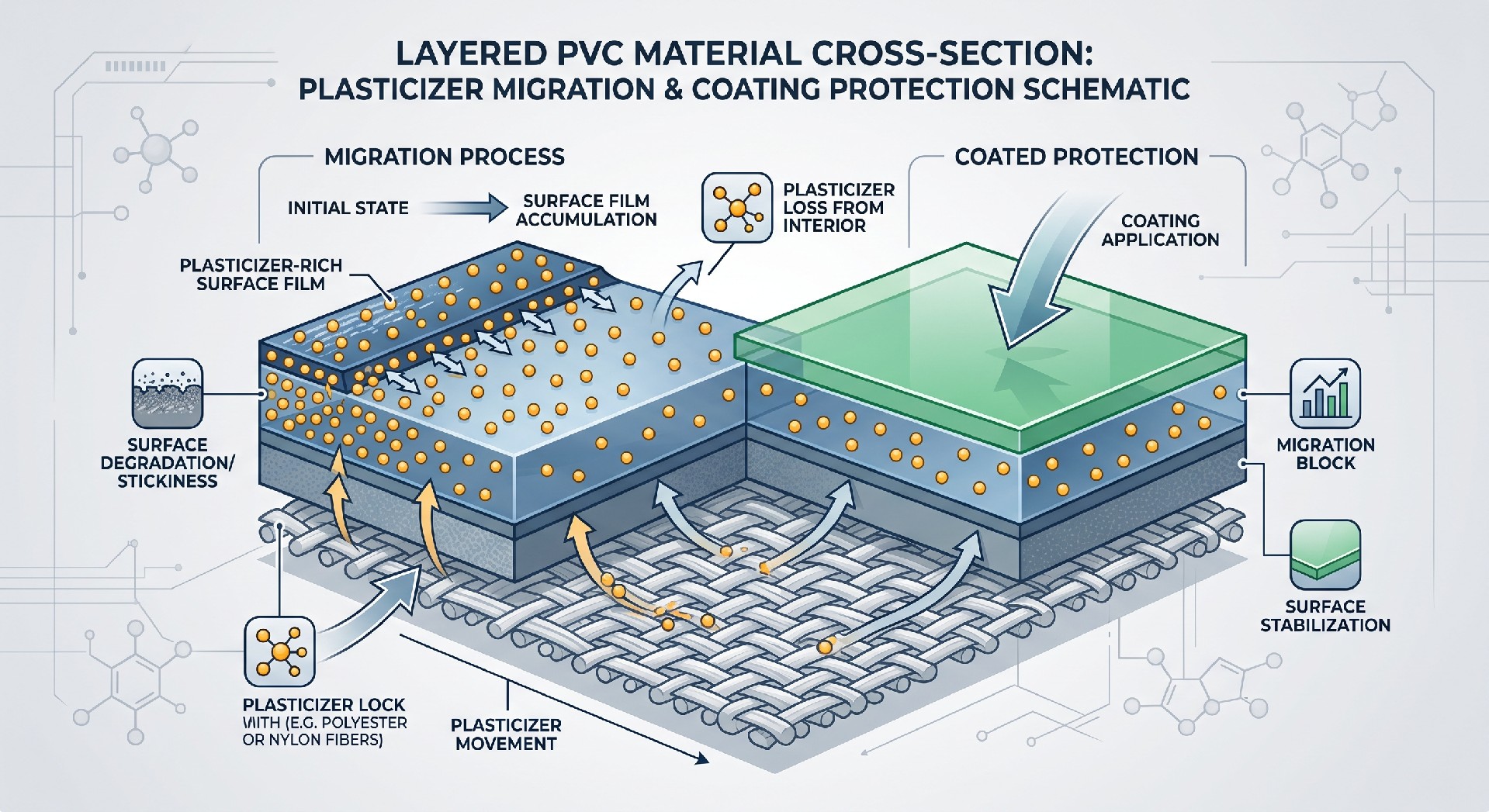
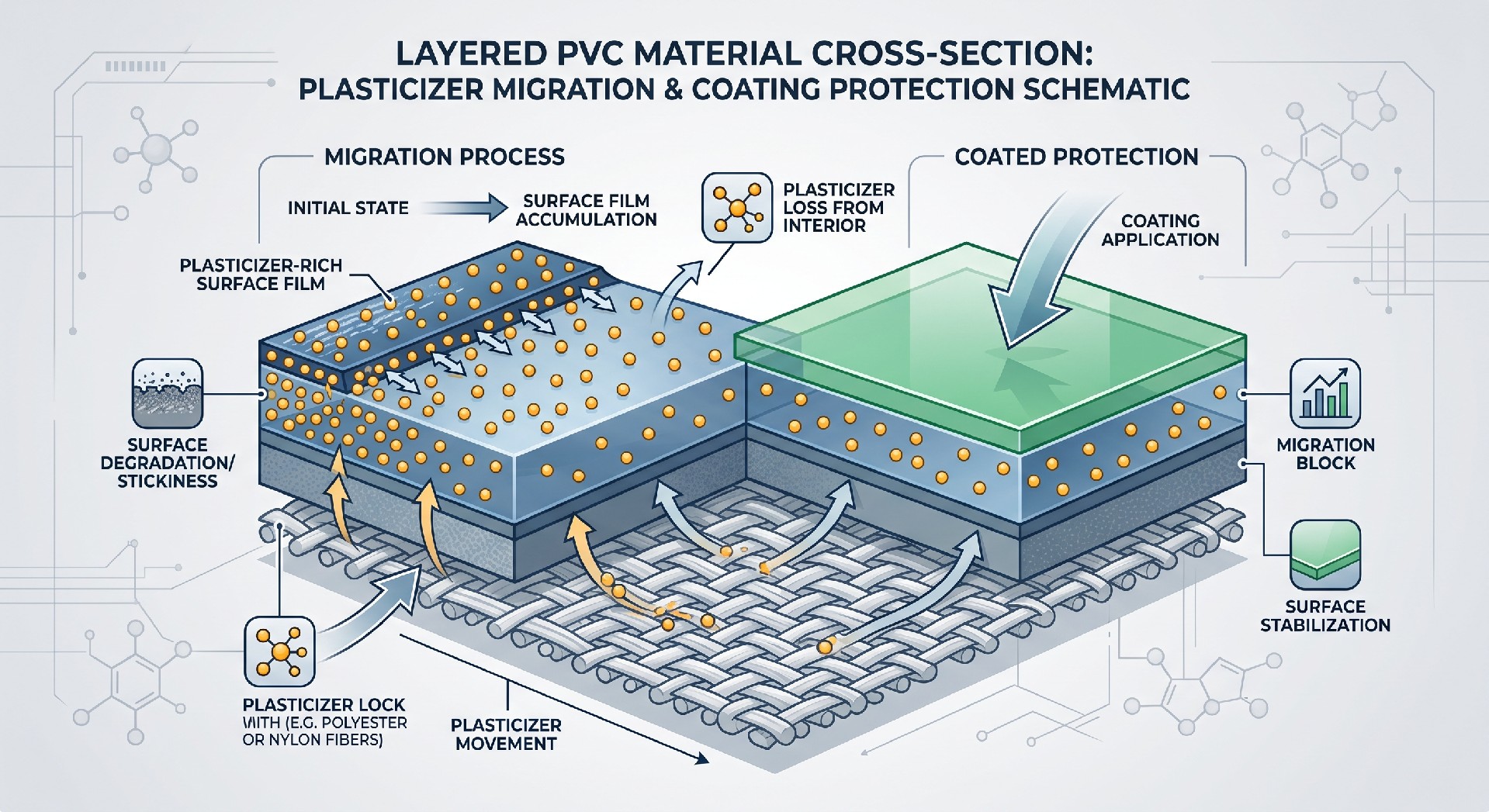
The stickiness results from the migration of plasticizers within the PVC compound. Under prolonged exposure to high temperatures and humidity, these plasticizers leach to the surface, creating a tacky film. Simultaneously, the material can cross-link or become brittle. The presence of surface contamination—such as sunscreen, insect repellent, or mold—can exacerbate the issue. A sticky surface is a red flag; ignoring it leads to accelerated wear, seam failure, and costly premature replacement.
Diagnostic Assessment: Classifying the Stickiness Level
Before applying any corrective measure, inspect the fabric to determine the severity. A systematic approach prevents further damage. Use this diagnostic sequence:
Visual Inspection: Examine for discoloration, surface tackiness, or a glossy film. Look for areas with heavy UV exposure or physical abrasion.
Tack Test: Press a clean piece of clear plastic wrap onto the surface. If it adheres noticeably, plasticizer migration is active. This test helps differentiate surface soiling from chemical breakdown.
Wipe Test: Dampen a white cloth with a mild detergent solution and wipe a small, inconspicuous area. If the cloth picks up yellow or brown residue, you are removing surface plasticizers.
Flex Test: Gently fold a small section of the fabric. Cracking or a whitening stress mark indicates embrittlement, which means restoration may be limited.
Document the results against a simple scale: Level 1 (slight tackiness, no residue transfer), Level 2 (moderate tackiness, residue transfer on cloth), and Level 3 (severe tackiness, material stiffness or cracking). This classification determines whether a cleaning solution, a barrier coating, or fabric replacement is the appropriate response.
Preparation and Cleaning Protocols for PVC Fabric
Cleaning is the first and most critical step for Level 1 and Level 2 stickiness. The objective is to remove the plasticizer film without stripping the fabric of its necessary flexibility. Use a controlled process:
Select a Suitable Cleaner: A mild, non-abrasive detergent is preferred. Avoid strong solvents like acetone, mineral spirits, or citrus-based degreasers, which can extract additional plasticizers from the PVC matrix. For many commercial applications, a 5% solution of isopropyl alcohol in water works effectively without causing swelling. Alternatively, a commercially available PVC fabric cleaner designed for marine use is often the safest choice. Always verify with the supplier.
Test in a Small Area: Apply the cleaning solution to an inconspicuous patch. Leave it for 30 seconds, then wipe clean. Inspect for discoloration or surface damage after five minutes.
Wash Method: Apply the detergent solution using a soft-bristled brush or non-abrasive sponge in a circular motion. Do not scrub aggressively, as this can disturb the surface weave. Work in sections to prevent the cleaner from drying on the fabric.
Rinse Thoroughly: Remove all detergent residue with clean water. Residual surfactant can attract dirt and may degrade the surface. Using a low-pressure spray is effective.
Drying: Allow the fabric to air dry completely in a shaded, well-ventilated area. Avoid direct sunlight while drying, as UV radiation can accelerate further degradation.
After cleaning, reassess. If the fabric remains tacky, you may need to repeat the process or progress to a more aggressive step like using a plasticizer reclamation agent or applying a new surface treatment. However, many commercial users find that a thorough cleaning restores enough function to continue operations for a season. In a commercial environment, a properly cleaned PVC surface can regain 80-90% of its initial non-stick finish, significantly extending equipment life.
Advanced Restoration: Applying UV and Plasticizer Barrier Coatings
For Level 2 stickiness that returns after cleaning, or for equipment exposed to harsh commercial environments, a barrier coating is the next line of defense. These coatings are designed to seal the surface, creating a barrier between the plasticizer-rich substrate and the atmosphere. They also restore a degree of surface gloss and provide UV protection.
Select a coating that is chemically compatible with PVC. Many manufacturers produce liquid coatings that are applied by brush, roller, or spray. These products often contain a UV inhibitor and a matting agent to adjust the finish. For high-performance commercial inflatables, a two-part polyurethane coating can offer superior durability, but it is more expensive and requires careful application.
Application guidelines are critical:
Surface Preparation: The fabric must be completely clean and dry. Any residue from cleaning must be removed.
Apply a Thin, Even Coat: Follow the manufacturer's directions for application thickness. A typical commercial coating may need 12-24 hours of cure time before the equipment is ready for use.
Avoid Oversaturation: Heavy applications can cause sags or runs, which may flake or peel later.
Storage Caution: Do not fold or stack the material until the coating is fully cured and the surface is no longer tacky to the touch.
This approach is common for towable tubes and rental fleet watercraft, which experience high UV and heat cycles. Operators should track the application date and note the coating's effectiveness to build a maintenance history. If the stickiness returns within a short period after applying a coating, it may indicate that the fabric has permanently degraded.
| Inspection Point | Failure Signal | Service Action | Retirement Trigger |
|---|---|---|---|
| Surface Tackiness | Plastic wrap adheres; residue transfer on cloth | Clean with mild detergent; apply barrier coating | Tackiness returns within 30 days after cleaning |
| Embrittlement/Cracking | Whitening stress marks when flexed | Replacement is the only option; no repair possible | Cracks visible to the naked eye; material tears easily |
| Discoloration | Yellowing or browning of fabric | Assess with UV protection; monitor for changes | Significant color change indicates deep chemical degradation |
| Plasticizer Migration Rate | High rate of residue after cleaning | Consider replacing with higher-stability PVC fabric | Residue appears weekly despite cleaning |
| UV Damage | Fabric feels dry or chalky | Apply UV-blocking coating; store in shade | Surface texture becomes rough; coating fails to adhere |
Preventive Measures for Commercial Environments
In a commercial B2B context, preventing sticky PVC is far more cost-effective than restoring it. The majority of premature failures are preventable through proactive operational controls. Consider these measures:
UV Protection: When not in use, store inflatable products in a shaded area or use a protective cover. Many commercial operators use specially designed storage covers that reflect sunlight.
Proper Deflation and Folding: Folding equipment tightly can cause plasticizer migration to accelerate. Instead, loosely roll the fabric and avoid storing it in extreme temperatures. For long-term storage, reduce the inflation pressure but avoid complete deflation, which places stress on the fabric layers.
Chemical Hazards: Train staff to wipe down equipment after each use to remove sunscreen, insect repellent, and oils. Many modern sunscreens contain chemical filters that are incompatible with PVC and can accelerate plasticizer leaching.
Climate-Controlled Storage: If possible, store equipment in a cool, dry, and dark environment. Maintaining a temperature below 25°C (77°F) and relative humidity below 60% dramatically slows the rate of plasticizer migration.
Inspection Scheduling: Implement a regular inspection schedule—such as quarterly checks for active equipment and bi-annual checks for stored equipment—to catch signs of stickiness early.
When to Replace vs. Repair Sticky PVC Fabric
Not all sticky PVC is worth repairing. The decision to replace should be based on the fabric's remaining strength and the cost of downtime.
Replace the PVC fabric when:
Material is Embrittled: If the fabric cracks or crumbles when flexed, the structural integrity is compromised. Even a successful cleaning may not prevent catastrophic failure under load.
Extensive Damage: If the stickiness covers more than 30% of the fabric surface and persists after multiple cleaning attempts, the material has likely undergone significant cross-linking. Replacement is the more reliable commercial choice.
Cost of Downtime Exceeds Replacement Cost: If the equipment is critical to your rental revenue or operational capacity, the cost of lost business from a failure often justifies rapid replacement.
Choose to repair when:
Localized Issue: Only a small area (e.g., a single contact patch) is affected.
Low-Risk Application: The equipment is for low-stakes use, such as a non-load-bearing panel or a spare.
Commercial Decision-Making: Implementing a Restoration Plan
For procurement teams and facility managers, the issue of sticky PVC should be a standard part of a lifecycle cost analysis. To maximize equipment ROI, include these steps in your operational plan:
Acceptance Testing: During the initial supplier qualification and sample evaluation, expose a test sample to accelerated conditions of heat and humidity to confirm the plasticizer system's stability. This prevents a batch of sticky PVC from entering your fleet.
Maintenance Logs: Establish a log to track each cleaning and coating event. This data helps you project when a unit will likely require replacement, allowing you to budget effectively.
Staff Training: Ensure all staff understand the chemical sensitivity of PVC and the importance of immediate cleaning after chemical exposure. A 15-minute daily wipe-down can extend a product's life by months or years.
Supplier Communication: When stickiness is a recurring issue, discuss the matter with your supplier. They may be able to adjust the formula or provide a recommendation for a more robust fabric. Use the data from your maintenance logs to support your request.
By treating sticky PVC as a preventable engineering issue—not an inevitable wear-out—commercial operators can significantly reduce replacement costs and maintain a safer, more reliable product fleet. The techniques described here are the standard approach used by major rental operators and OEM manufacturers to manage their PVC assets effectively.
