

The Hidden Liability: Why Slippery Pool Bottoms Demand Commercial Attention
For commercial operators—whether managing a resort water park, a municipal aquatic center, or a rental fleet of large inflatable pools—the safety and longevity of the pool bottom are non-negotiable. A slippery pool floor is more than a minor inconvenience; it's a direct liability risk, a contributor to premature wear, and a sign of an inadequate maintenance or specification strategy. While end-users might search for quick fixes to prevent inflatable pool bottoms from getting slippery, your challenge as a B2B buyer is to architect a solution from the ground up: selecting the right floor material, establishing a rigorous cleaning protocol, and understanding the chemistry of pool surfaces.
This guide is tailored for procurement managers, facility operators, and OEM buyers. We'll dissect the root causes of slipperiness—from biofilm and chemical imbalance to material degradation—and provide a commercial framework for specifying, maintaining, and auditing inflatable pool floors. Our focus is on the 3- to 10-meter and larger commercial pool segments, where slip resistance is not just a feature but a critical performance and safety metric.
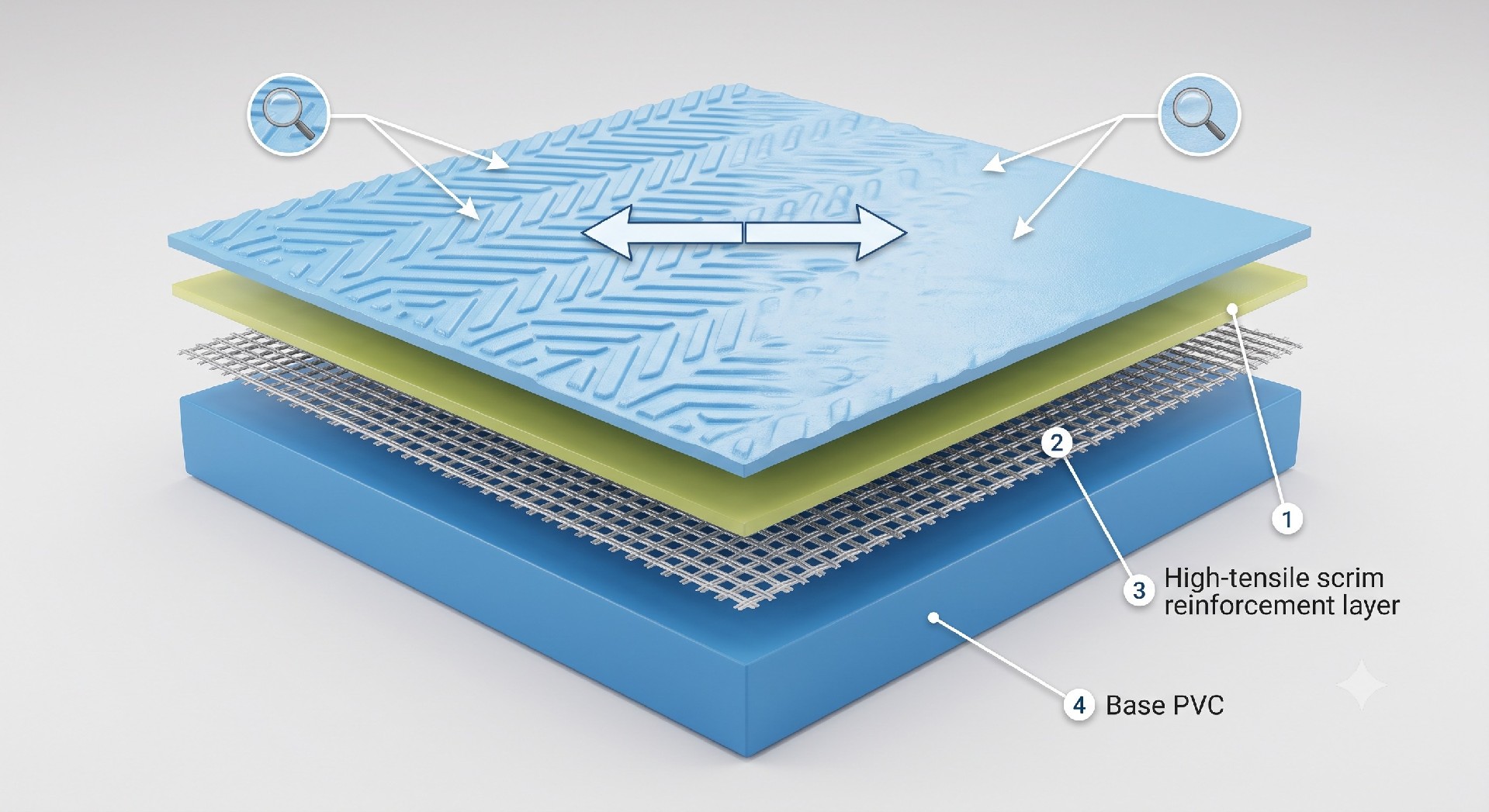
Decoding the Slippery Surface: A Root-Cause Analysis
Before we discuss prevention, we must understand the causes. In commercial inflatable pools, the pool bottom becomes slippery due to a combination of factors, not just the presence of water. Identifying the dominant cause is the first step in a targeted prevention plan.
1. Biological and Organic Build-Up (Biofilm)
In warm, constantly moist environments, a slimy film of bacteria, algae, and fungi—collectively known as biofilm—thrives on pool surfaces. This is the most common culprit for a sudden loss of traction. Biofilm creates a gel-like layer that acts as a lubricant between the bather's foot and the PVC floor. It is not effectively removed by simple rinsing; it requires chemical or mechanical disruption.
2. Chemical Imbalance and Water Hardness
Poor water chemistry is a major driver of slipperiness. When the pH and alkalinity are not properly balanced, or when calcium hardness is too high, mineral scale can precipitate onto the pool floor. This creates a rough, yet paradoxically slippery, surface. More critically, a high concentration of combined chlorine (chloramines) can degrade the pool's PVC coating, making it porous and sticky, which in turn traps oils, lotions, and organic matter. For commercial pools, maintaining strict water balance is not just a health requirement; it is a surface preservation requirement.
3. Surface Coating Degradation
Over time, the surface coating of the inflatable pool floor can degrade due to UV exposure and chemical attack. The manufacturers apply a surface texture to the PVC (often a diamond or pebble pattern) to provide grip. When this textured layer wears down, the underlying smooth PVC becomes exposed, creating a uniformly slippery surface. This is a progressive, irreversible failure mode that signals the end of the product's effective service life.
4. Chemical Residue
The overuse of certain algaecides, clarifiers, and other maintenance chemicals can leave a soapy or oily residue on the pool bottom. This residue reduces friction, leading to slip hazards. Inefficient rinsing or draining procedures can leave chemical residue films behind. For rental pools that are drained and transported frequently, residue accumulation between uses is a significant challenge.
| Root Cause of Slipperiness | Commercial Impact | Preventive Action | Verification Method |
|---|---|---|---|
| Biofilm (bacterial/fungal growth) | Immediate slip hazard; foul odors | Deep clean with mechanical scrubbing; full drying | White towel test during cleaning |
| Mineral Scale (hard water deposits) | Smooth, slippery surface; rough texture | Maintain correct water balance (pH, alkalinity); use sequestering agents | Visual inspection; feel for rough spots |
| Surface Coating Degradation (texture wear) | Loss of grip; irreversible | Purchase high-spec material; apply UV protectant; limit chemical overuse | Abrasion test on material sample; visual inspection of high-traffic areas |
| Chemical Residue (soapy/oily film) | Slippery surface; water discoloration | Use proper chemical dosing; rinse pool thoroughly after cleaning | Water clarity test; surface feel |
Preventive Measures: A Multi-Layered Defense
Preventing slipperiness is a holistic process that begins at the point of purchase and continues through daily operation. A commercial operator cannot rely on a single solution. Instead, you must implement a layered strategy that addresses each potential cause.
1. The Material Specification: Choose for Traction from the Start
The most fundamental prevention method is choosing the right floor. You must specify a PVC with a factory-applied, durable non-slip texture. This texture is typically a mechanical embossing pattern, not a chemical coating that will wear off. When sourcing, request material samples and subject them to a simple abrasion test to see how quickly the texture degrades. This is a primary specification point in your OEM or supplier discussion.
2. The Water Chemistry Protocol: A Non-Negotiable Schedule
Implement a rigorous water testing and chemical dosing schedule. A commercial pool's water should be tested multiple times a day. Maintaining the correct pH (7.2–7.6), alkalinity (80–120 ppm), and sanitizer levels will prevent mineral scaling and slow the degradation of the pool's PVC coating. Using a commercial-grade test kit is essential for accurate readings.
3. The Cleaning Protocol: Mechanical and Chemical Action
Routine cleaning must be more than just pumping out the water. A weekly deep clean should include draining, sweeping, and washing the floor with a mild, non-abrasive detergent and a soft-bristle brush to physically remove biofilm and scale. This is where many commercial operations fail; they treat the cleaning as a secondary task rather than a critical part of the asset management plan.
4. The Drying and Storage Protocol (Critical for Rental Fleets)
For inflatable pools that are set up and taken down, the drying process is paramount. Moisture left in folds or on the floor material accelerates the growth of mildew and biofilm, which is often the source of the slippery film that appears on the next setup. Allow the pool to dry fully in a clean, sunlit area before folding. This not only prevents slipperiness but also extends the overall life of the fabric.
[IMAGE_2]
Preventive Maintenance: The Commercial Operator’s Playbook
Prevention is a process that can be codified into a standard operating procedure. The following playbook is designed for facility managers and rental operators to minimize the risk of a slippery pool bottom and the associated liabilities.
Daily Water Test & Adjust: Perform water testing for pH, chlorine, and alkalinity every 2-4 hours during peak operation. Adjust chemicals as needed to keep the water within ideal ranges.
Pre-Drain Floor Scrub: Before draining the pool for a deep clean, scrub the floor with a pool brush to dislodge biofilm and debris. This allows the contaminants to be washed away with the drain water.
Drain & Rinse Protocol: After draining, rinse the entire floor surface with a high-pressure hose to remove all residual dirt and chemical deposits.
Deep Clean with Mild Detergent: Use a mild, non-ionic detergent with a soft-bristle brush. Apply the detergent to the floor, agitate gently, and rinse thoroughly. This is a primary action to prevent inflatable pool bottoms from getting slippery over the long term.
Full Air Drying: Allow the pool and floor to dry completely in the sun or a well-ventilated area. This step is the single most important action for preventing biofilm growth.
Inspect for Texture Degradation: During the cleaning process, physically feel the floor for slick spots and inspect for areas where the grip texture has worn away. This may indicate the need for a replacement.
Inspect for Biofilm: Rub a white towel over a clean, dry area of the pool bottom. If the towel picks up a dark, slimy residue, your deep-cleaning protocol is not effective, and biofilm is present.
The Commercial Verdict: Build Prevention into Your Specification and SOP
The challenge of preventing a slippery pool bottom is a core part of commercial pool ownership. It is not a problem solved by a one-time treatment but by a disciplined, ongoing process that begins with a smart product specification and is maintained by a robust Standard Operating Procedure (SOP).
For buyers, this means prioritizing a high-quality, textured PVC surface. During the procurement stage, ask the supplier about the specific texture and its UV/chemical resistance. For operators, the financial benefit of prevention is clear. An effective SOP that combines water chemistry control and regular mechanical cleaning will extend the pool's service life, protect your brand reputation, reduce liability risks, and maintain a premium guest experience. When selecting a new pool, prioritize suppliers who can demonstrate their floor texture's durability through testing data and offer clear material specifications.
