

What Makes a Backyard Pool Toy a Genuine Asset for Active Summer Play?
For commercial buyers, facility managers, and resort operators, the phrase Backyard Pool Toys represents more than just seasonal entertainment. It refers to a category of durable, safety-conscious recreational equipment designed to sustain high-frequency use while encouraging physical activity. The distinction between a cheap seasonal item and a commercially viable product lies in material selection, structural integrity, and user safety features. This guide focuses on the evaluation criteria that matter most to professional buyers: material durability, safety standards, active play value, and lifecycle costs. We will examine the key decision factors for selecting pool toys that genuinely keep kids active all summer long, from inflatable obstacle courses to foam-based sports sets.
Defining the Active Play Objective
Before evaluating specific products, it is essential to define what 'active' means in a pool environment. The primary search intent behind Backyard Pool Toys is to find equipment that promotes sustained physical exertion, including swimming, climbing, balancing, throwing, and kicking. Passive floating devices or simple loungers do not meet this commercial criteria. Instead, buyers should focus on product categories that demand user engagement: inflatable water slides, obstacle courses, multi-person seesaws, and interactive sports games like floating basketball or volleyball sets. The operational goal is to maximize energy expenditure and playtime, which directly correlates with customer satisfaction in rental or resort settings. A key commercial consideration is the occupancy limit, which must be clearly specified to manage risk and ensure safe operation.
From a design perspective, active pool toys must withstand dynamic loads. Kids do not simply sit on these products; they jump, run, and dive onto them. This imposes repetitive stress on seams, valve attachments, and material surfaces. Therefore, the material specification must prioritize abrasion resistance and tear strength. Typical commercial ranges for high-quality inflatable pool toys use PVC with a denier count between 400 and 1000, often with a UV inhibitor to resist degradation from prolonged sun exposure. Buyers should verify the material mass per area (often expressed in grams per square meter) as a proxy for durability. Heavier fabrics typically offer better protection against punctures and wear, but they also increase packed weight and shipping costs, presenting a design tradeoff that must be balanced against the intended use case.
Understanding the Commercial Buyer Persona
This article is primarily written for resort or attraction buyers and rental fleet operators. These professionals are in the specification comparison stage of the purchase process. They are not casual consumers; they need products that can survive a full season of daily use, require minimal maintenance, and offer a demonstrable return on investment. For these buyers, the price tag is secondary to the total cost of ownership. A more expensive product with reinforced seams and a superior warranty is often more economical than a cheaper alternative that fails mid-season, leading to customer complaints, refunds, and costly downtime. Therefore, our technical analysis emphasizes the structural components that determine a product's commercial lifespan.
Critical Specification and Safety Assessment
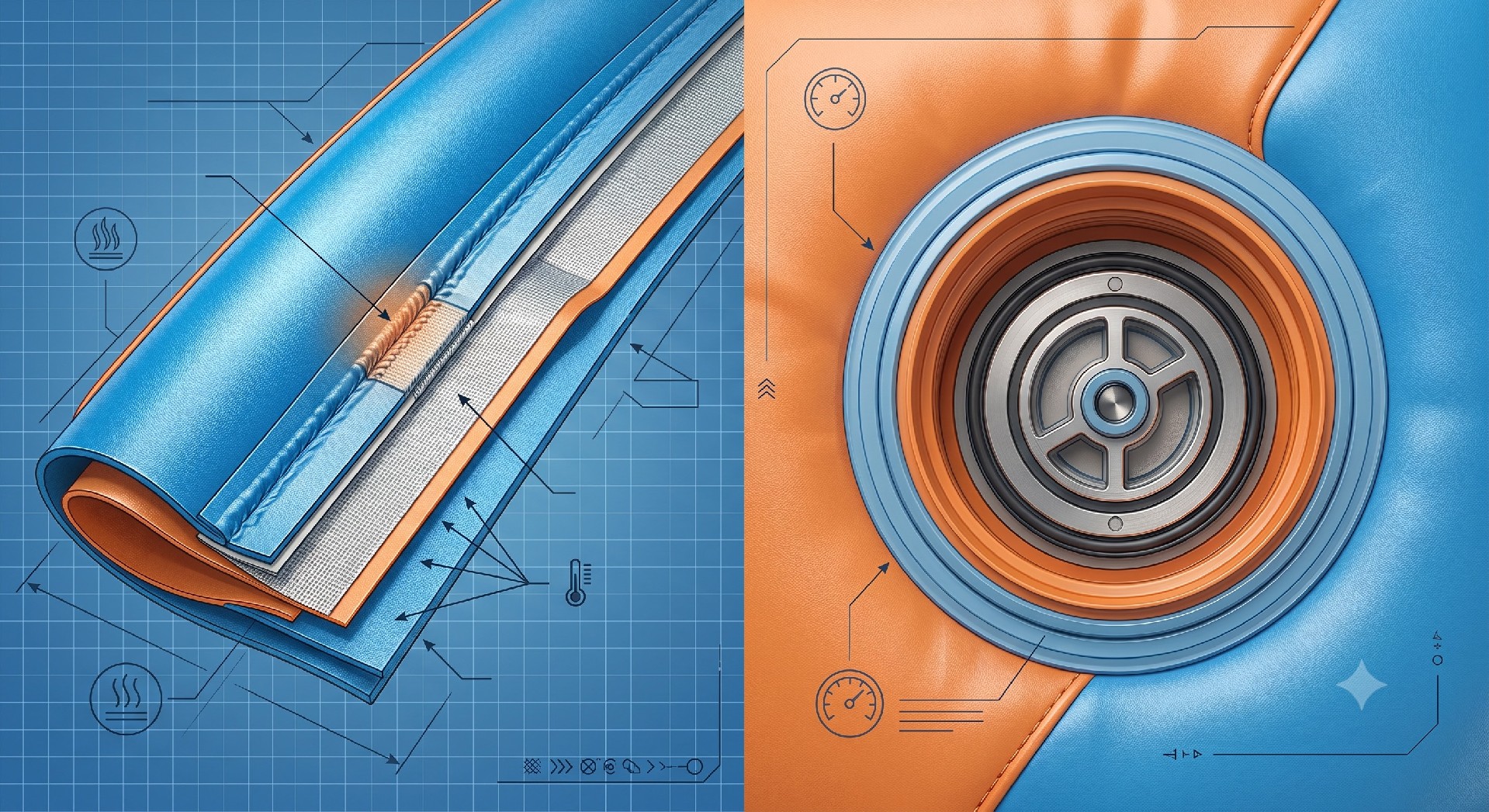
When evaluating Backyard Pool Toys for commercial use, the specification checklist must go beyond basic dimensions and color. The following technical criteria are paramount for ensuring both active play value and operational safety. For inflatable products, the seam method is a primary indicator of quality. High-frequency welded seams are superior to glued seams because they create a molecular bond between material layers, offering higher tensile strength and better resistance to peeling. Buyers should demand information on seam overlap width and weld pressure during manufacturing, as these factors directly influence burst pressure resistance.
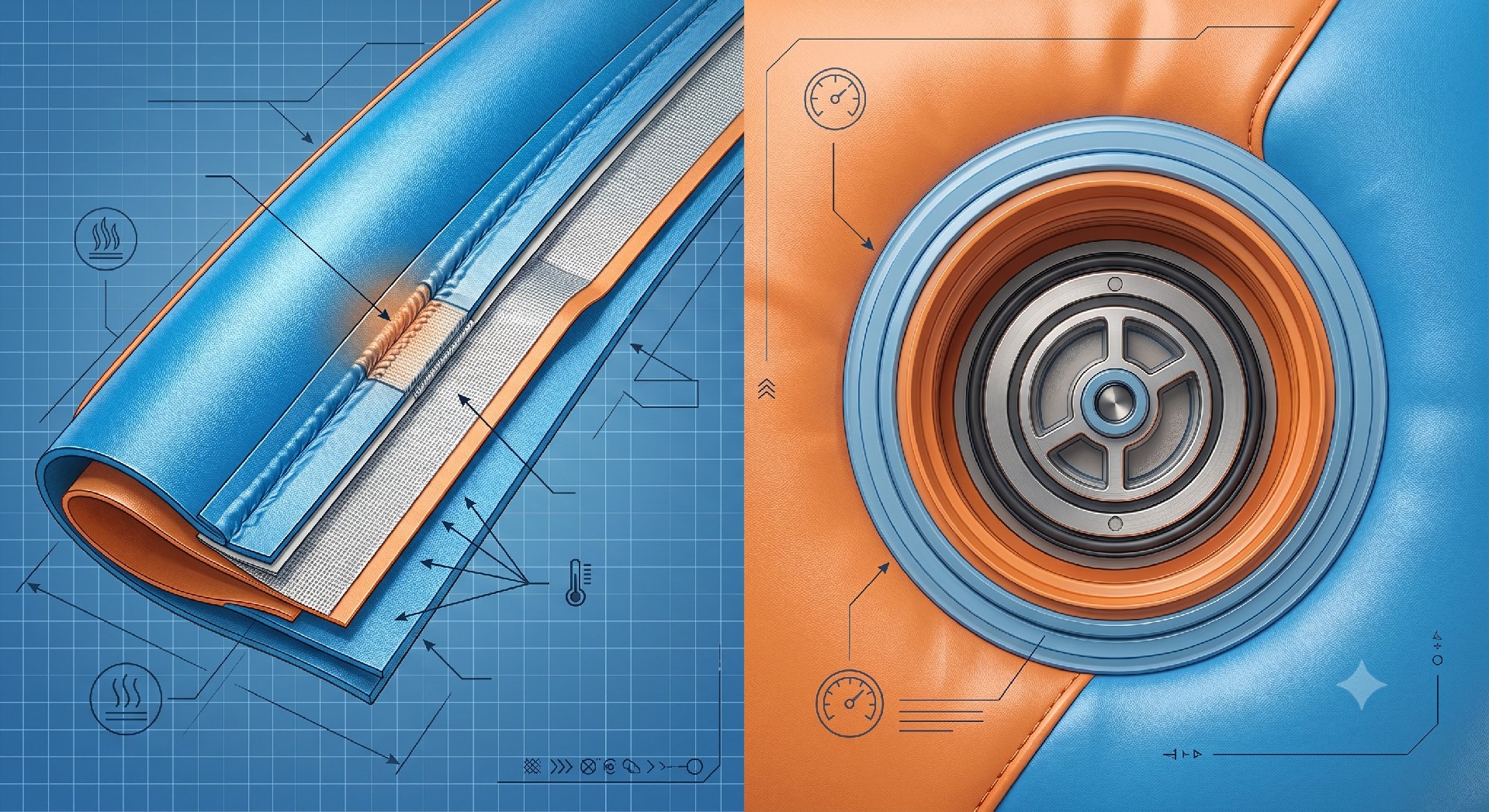
Another critical aspect is the valve system. Commercial-grade toys use recessed or flat valves that are less prone to damage from impact. The valve type also affects inflation and deflation time, which is a key operational metric for rental fleets. A Boston valve or a military-style valve typically offers a better balance of airflow and pressure retention compared to cheaper pin valves. Buyers should consider the inflation time as a decision factor; if a toy takes more than five minutes to inflate with a standard commercial blower, it may create logistical bottlenecks during peak usage periods. Consider the tradeoff: a larger, more complex toy may offer greater play value but will inevitably require more setup labor and storage space, which must be factored into the operational budget.
The material's reaction to UV exposure is another non-negotiable factor. Without adequate UV stabilizers, PVC and other polymers become brittle and prone to cracking. This is not a minor aesthetic issue; it is a safety hazard. Cracks can lead to sudden deflation, trapping a child under a collapsing structure. Reputable suppliers will provide data on UV additive levels, typically expressed as a percentage of the compound. Compliance with REACH regulations is also mandatory for products sold in the European market, ensuring that no hazardous substances are present. However, for non-inflatable pool toys made from foam or hard plastics, the focus shifts to impact resistance, buoyancy, and the absence of sharp edges. Always confirm the applicable safety standard with your supplier, such as EN 71 for toy safety in Europe or relevant ASTM standards for the US market. The buyer must confirm the final classification with the supplier or a qualified compliance professional.
Seam and Material Integrity
The interaction between material and seam is the critical failure point for most active inflatable pool toys. In high-motion areas like climbing handles or attachment points for ropes and rings, reinforcing patches with extra layers of material are essential. These 'wear zones' must be identified in the product design. A common commercial decision involves specifying an I-beam or drop-stitch construction for flat surfaces like floors and slides. While drop-stitch is heavier and more expensive, it offers superior stiffness and can support higher point loads, making it ideal for toys that act as platforms or launch pads. For vertical walls, simpler tube construction is often sufficient and cost-effective, provided the wall thickness is adequate. A robust specification will detail the distributed load capacity and point load capacity to ensure the toy can handle the cumulative weight of its maximum occupancy.
| Decision Factor | Commercial Target / Typical Range | Why It Matters | Buyer Check |
|---|---|---|---|
| Seam Construction | High-frequency welded, overlap ≥ 30mm | Determines tensile strength and burst resistance | Request weld pressure parameters and peel test data |
| Material Weight | 600-1000 denier PVC | Indicates abrasion resistance and tear strength | Verify with supplier, do not rely on visual inspection |
| UV Stabilization | ≥ 2% hindered amine light stabilizer (HALS) | Prevents material degradation and cracking from sunlight | Ask for UV resistance test results or additive formulation |
| Inflation Time | 3-5 minutes with recommended blower | Impacts operational turnover and efficiency | Conduct a sample test with your own blower if possible |
| Occupancy Limit | Clearly stated per product section | Critical for risk management and insurance compliance | Ensure limit is printed on the product for user visibility |
| Repair Strategy | Accessible spare valves and compatible patch material | Reduces downtime and extends product lifecycle | Order spare kits at the same time as the initial order |
Operational Decision Matrix and Lifecycle Costs
The commercial viability of Backyard Pool Toys is ultimately determined by the operational workflow. This includes setup, takedown, storage, and maintenance. For a rental operator, a toy that takes 10 minutes to inflate and 15 minutes to deflate can significantly impact the turnover rate between rental periods. Investing in a high-capacity pump with the correct pressure settings (typically 0.5 to 1.2 PSI for consumer-grade inflatables) can reduce this time dramatically. However, higher pressure demands require thicker material and stronger seams to prevent blowouts. This is a key engineering tradeoff: increasing pressure reduces setup time but increases material costs and potential safety risks if the manufacturing quality is inadequate. Buyers should ask suppliers for the working pressure and the burst pressure to understand the safety margin.
On the maintenance side, the repair kit and spare-parts strategy are often overlooked but are critical for maximizing uptime. A commercial buyer should not accept a product without a clear repair protocol. Which adhesives are compatible with the material? Are replacement valves or patches readily available? A good supplier will provide a detailed lifecycle management plan that outlines inspection intervals, cleaning procedures (using non-abrasive, mild soaps), and winterization steps to prevent mildew and material degradation. The replacement cycle for a high-quality commercial pool toy is typically 1-3 years, depending on usage intensity, but this can be extended through proactive maintenance. When a toy is retired, the decision is often triggered by persistent seam failures or material delamination in multiple zones, which is more cost-effective to replace than to attempt a complex repair.
Purchase Recommendation and Supplier Due Diligence
For the commercial buyer, the final decision on Backyard Pool Toys should be based on a weighted scorecard that includes safety compliance, material specifications, and operational cost. Choose a product with reinforced seams, UV-stabilized materials, and a clear safety label. Avoid products where the supplier cannot articulate the material denier, the seam construction method, or the applicable toy safety standard. Here is a concise buyer verification checklist for any product that claims to be designed for active kids:
Safety Compliance: Verify the product has been tested to EN 71 or the equivalent local standard for toy safety. Ask for the test report, not just a certificate.
Material Quality: Confirm the fabric weight, UV stabilization level, and the type of seam weld (high-frequency is preferred).
Occupancy Limits: Ensure the maximum number of users is clearly printed on the product and aligns with your insurance and operational constraints.
Warranty and Spares: Understand the warranty terms and the availability of spare parts like valves and repair patches.
Change Control: Establish a change-control procedure with the supplier to ensure any material or design changes are communicated and approved before production.
This approach transforms the procurement process from a simple price comparison to a strategic investment in guest safety and satisfaction. By focusing on engineering details and total cost of ownership, commercial buyers can ensure their backyard pool selection keeps kids active and safe all summer long, while also protecting the business's bottom line and reputation. Choose when the supplier offers full transparency on materials, seams, and tests. Avoid when the product lacks clear specifications or the supplier is unwilling to provide compliance documentation.
